Lyres
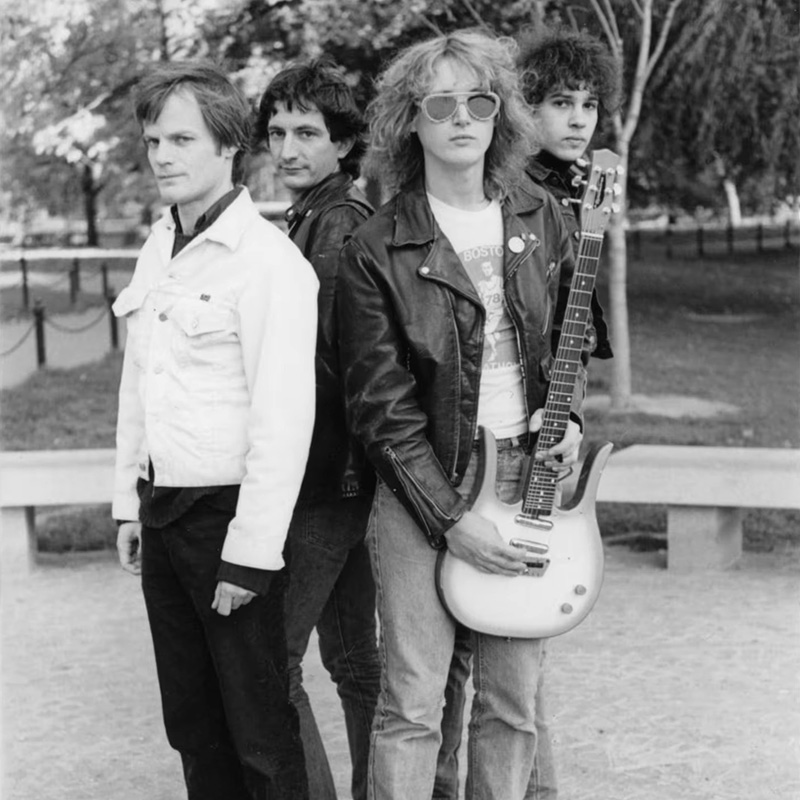
Lyres
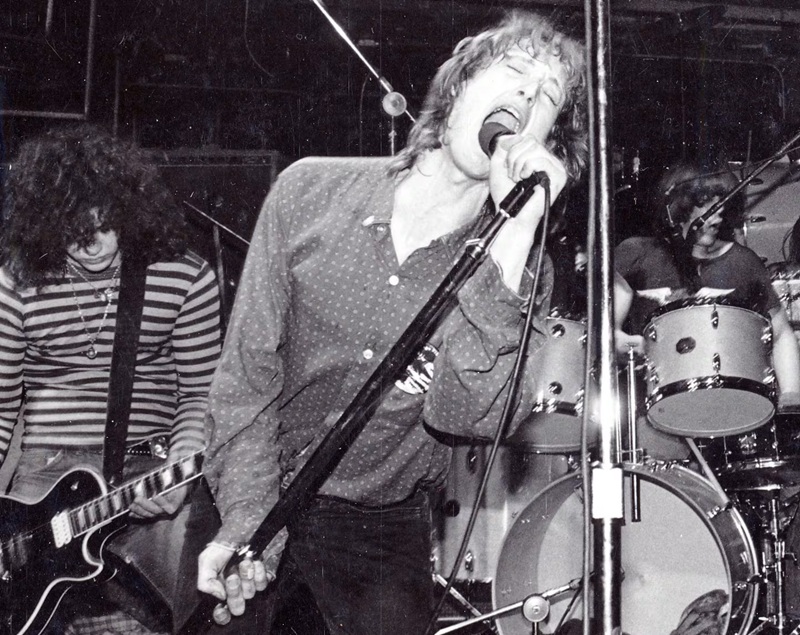
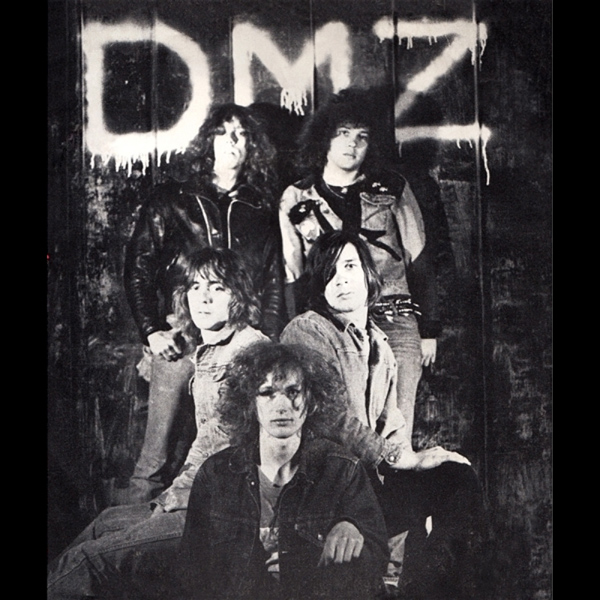
Lyres formed from the ashes of DMZ, who made a name for themselves in Boston’s emerging, subterranean punk scene with wildly incendiary and expressive frontman Jeff Conolly (aka Monoman), whose exacting standards and dogged determination to focus on his psychedelic/surf inspirations from the mid-’60s often led to discord in the lineup. During a major group argument in late 1978 at their rehearsal space, the singer decided to quit the band after somehow plummeting down a couple flights of stairs, putting an end to any future DMZ may have had.
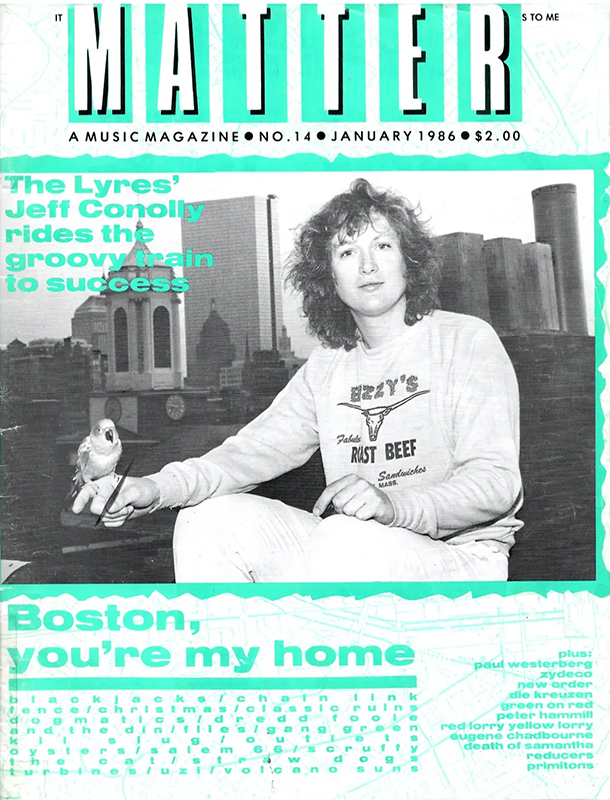
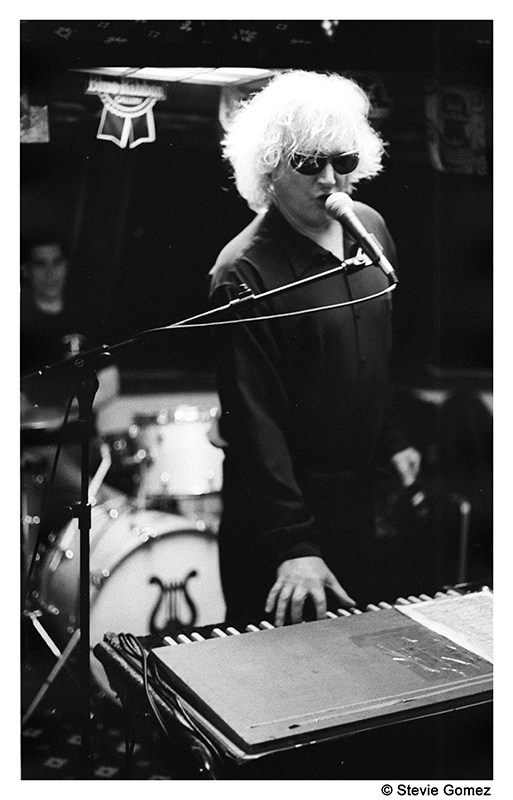
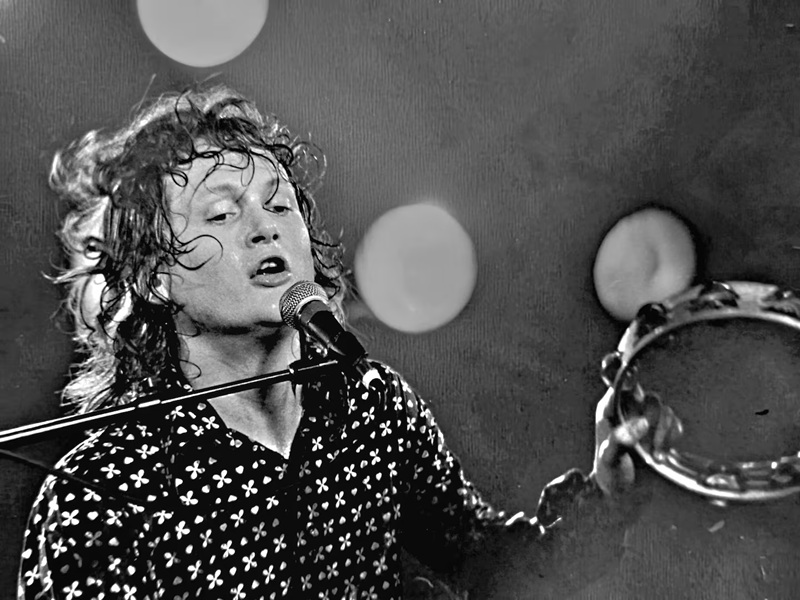
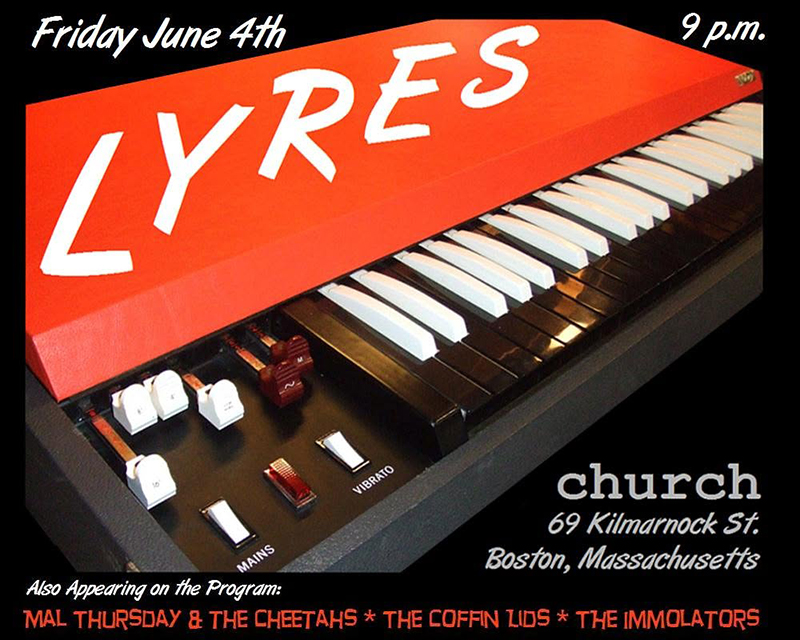
Almost immediately after that, Conolly appeared with a new project called Lyres, which was under his direct command and guided by his vision (and not called “The Lyres” since an obscure ‘50s group had recorded under that name). Conolly’s cheesy Vox organ sound dominated melodies or floated a steady harmonic tone above the guitars in a device reminiscent of ‘60s groups like Question Mark + The Mysterians, Blues Magoos and early Pink Floyd. Although some saw him as a mere revivalist, Conolly considered himself progressive, standing at odds with a rock scene grown bloated by a logjam of grandiose stadium acts that had more in common with classical music than the original spirit of rock ‘n’ roll.
DEBUT PERFORMANCE, FIRST SINGLE, ORIGINAL LINEUP
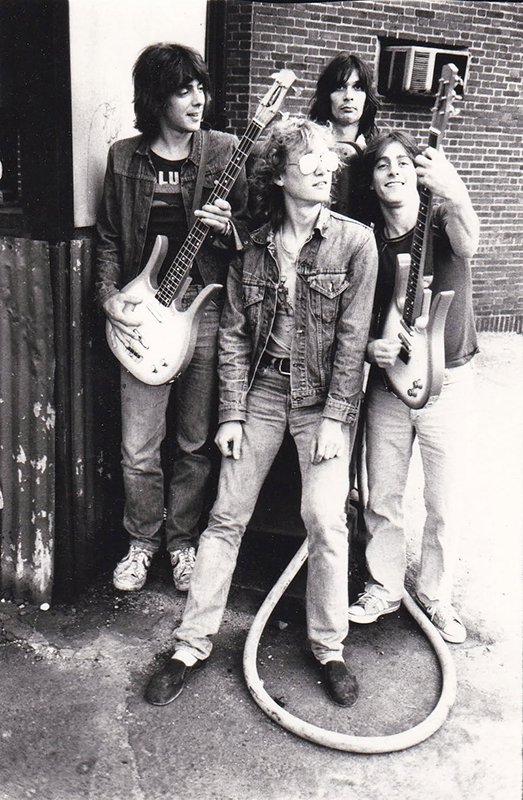
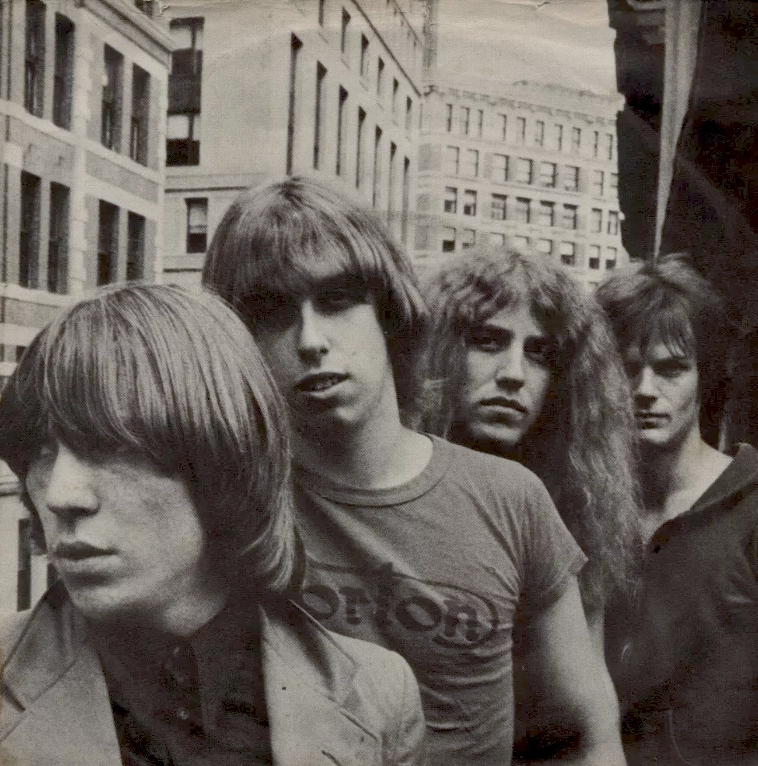
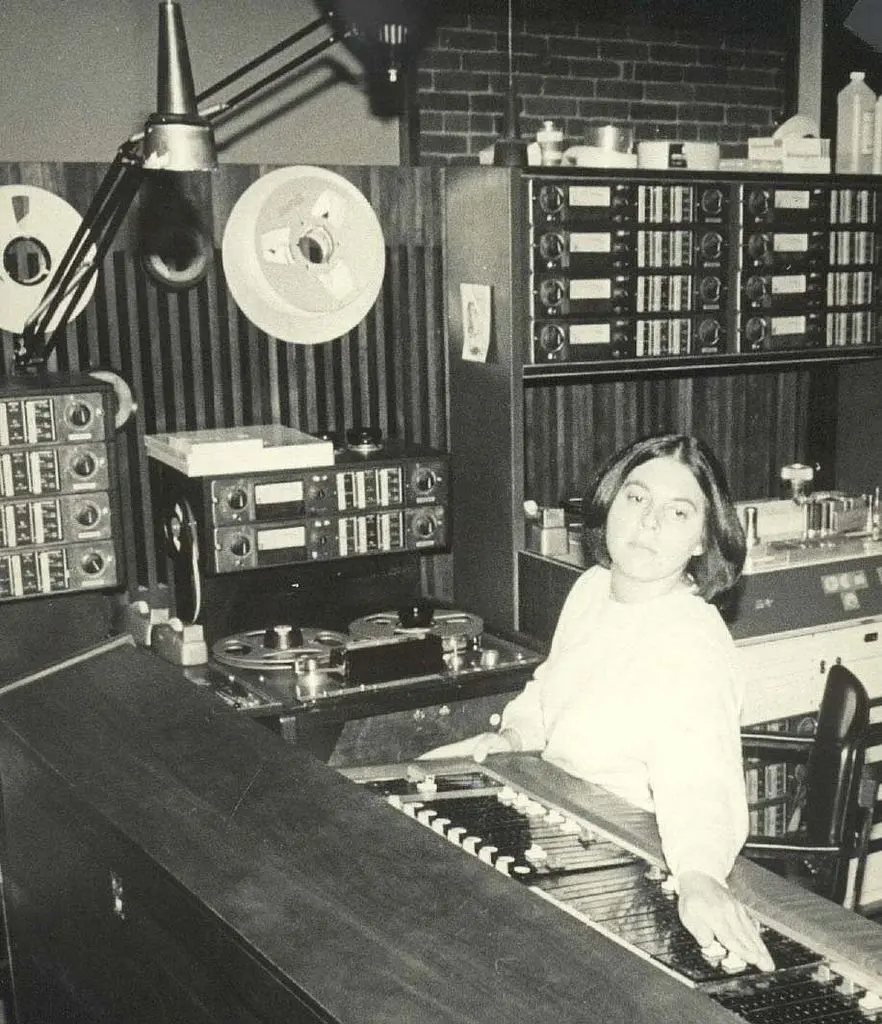
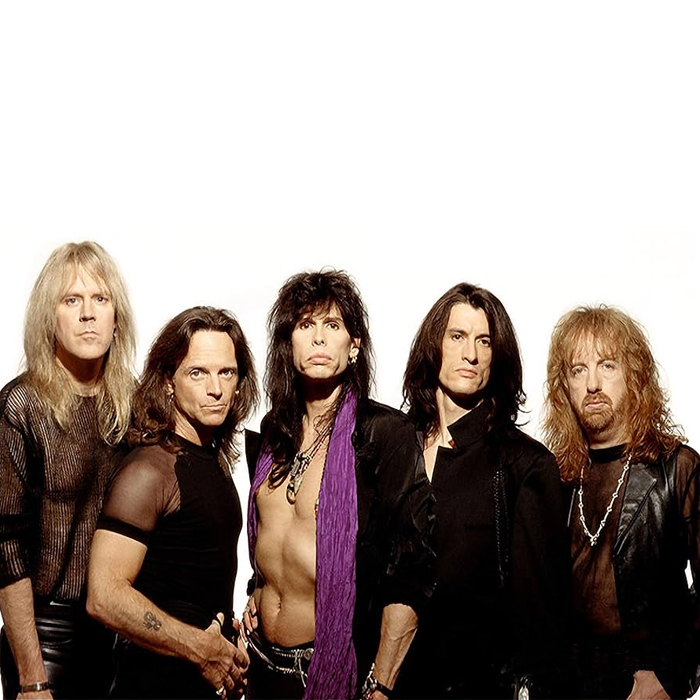
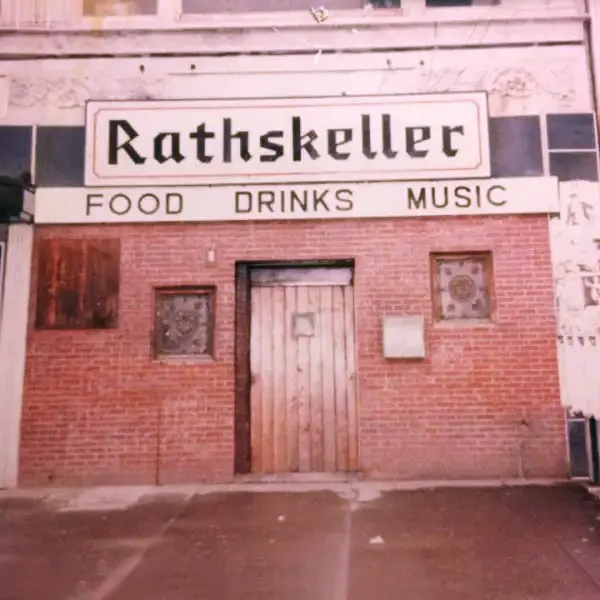
Lyres debuted at The Rathskeller during a WTBS-FM benefit on January 17, 1979, introduced by WBCN deejay Oedipus, who’d been friends with Conolly since DMZ rehearsed in his basement three years earlier. The new band entered Intermedia Sound Studios on Newbury Street (where Aerosmith had recorded its debut album seven years earlier), and kindred spirit Oedipus produced Lyres’ first single, “How Do You Know” b/w “Don’t Give it Up Now,” which featured Conolly’s fellow DMZ alumni Rick Coraccio (bass) and Paul Murphy (drums), with guitarist Rick Carmel rounding out the original lineup.
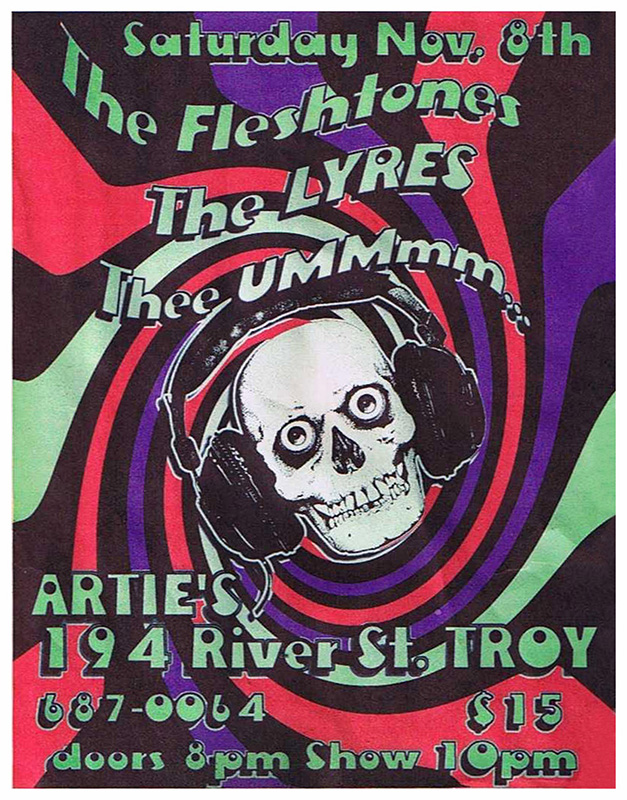
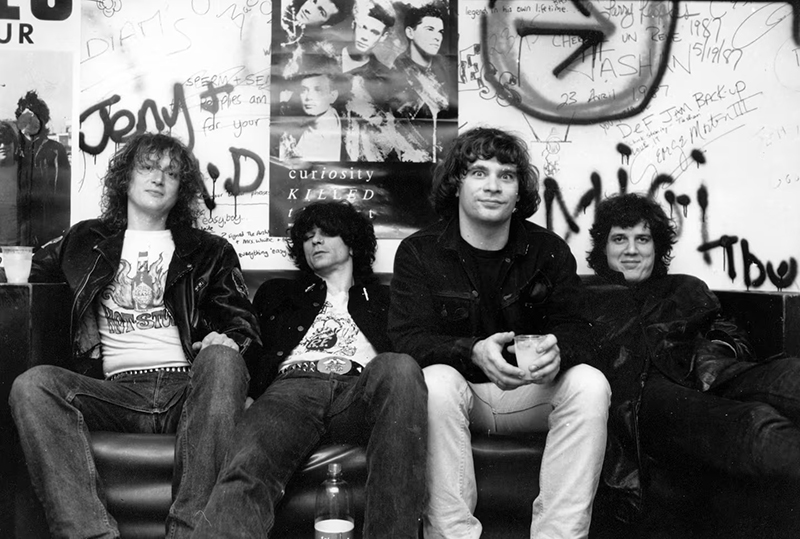
That lineup never appeared again, however; throughout the band’s history, Conolly acquired a nasty reputation as an unrelenting taskmaster who regularly ditched band members, sometimes dramatically sacking them right in the middle of a show. Limited by its nearly nonexistent budget, they quickly recorded a seven-inch that introduced them to a network of local college radio announcers who were well aware of Conolly’s reputation as a singer and garage-rock devotee. They spread the news on the air and the group soon became regulars on the Boston/Cambridge club circuit, playing high-powered sets that blended arcane ‘60s covers with a growing repertoire of rousing originals.
ROCK ‘N’ ROLL RUMBLE, AHS1005
All those nights schlepping beer-soaked amps and instruments in and out of smoky venues began to pay off; the band was invited to compete in the first WBCN Rock ‘n’ Roll Rumble, held at the Rathskeller in ’79, with The Boston Phoenix acknowledging Lyres as the city’s reigning garage rock band two years later. A little extra gig money meant that Conolly and crew, now consisting of ex-DMZ members Peter Greenberg on guitar and Mike Lewis on bass plus former Real Kids drummer Howie Ferguson, could afford to record more professionally.
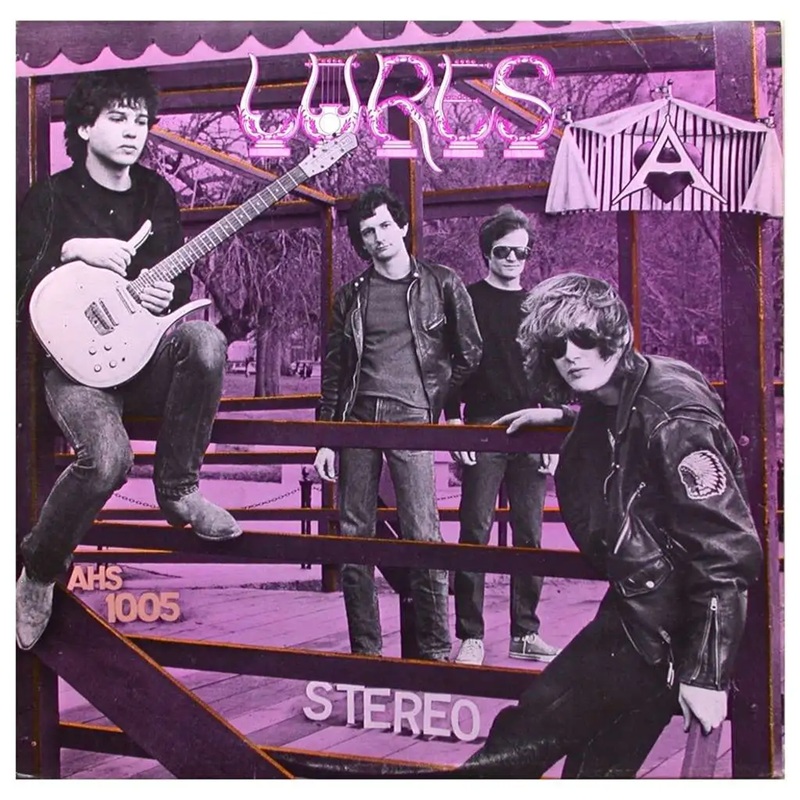
The band entered the studio with producer Rick Harte, who taped four songs which he released on his Ace of Hearts label as a 12-inch EP named after its catalog number: AHS1005 (but often identified by the first track “Buried Alive”). Strident, energetic and full-bore, the opener was announced by Greenburg’s jagged vibrato and lifted by his incendiary lead runs. Held-note organ tones spiced the second original “In Motion,” followed by another mad scramble of guitars and Vox on Conolly’s “High on Yourself.” The EP concluded with a cover of The Hangmen’s 1965 regional hit “What a Girl Can’t Do,” taking the Washington, DC band’s single on a faster and more aggressive ride. Lyres received a great deal of Boston media love for the EP, but it was also noticed by no less than the UK’s New Musical Express, which lauded the release and paved the way for the band’s popularity on the European continent.
“I WANT TO HELP YOU ANN,” ON FYRE, “SHE PAYS THE RENT,” LYRES LYRES
The same lineup is listed as recording “I Want to Help You Ann” on December 21,1981, but what would soon become Lyres definitive song did not appear on a record until Ace of Hearts released it as a 1983 single with “I Really Want You Now” on the flip. Built on a marvelous distorted Greenberg riff, the A-side took off on an impassioned Conolly vocal performance captured in Harte’s clean production to deliver 2 minutes and 29 seconds of pure retro bliss. Not only did Boston magazine award it #13 on its “Greatest Songs (Ever) Out of Boston” list, but New York City’s Village Voice gave “I Want to Help You Ann” the #24 spot on the “Pazz and Jop” poll of ’83 while Blender’s “500 Best Songs 1980-2005” placed it at #360.
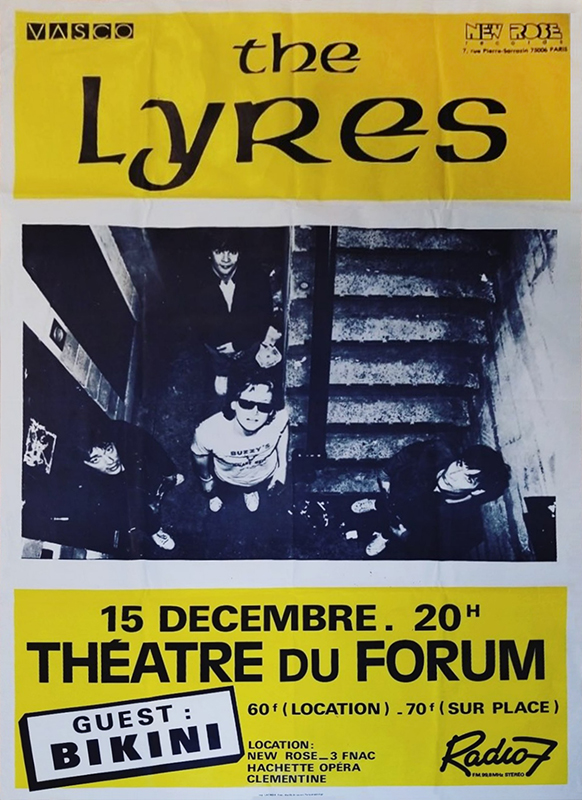
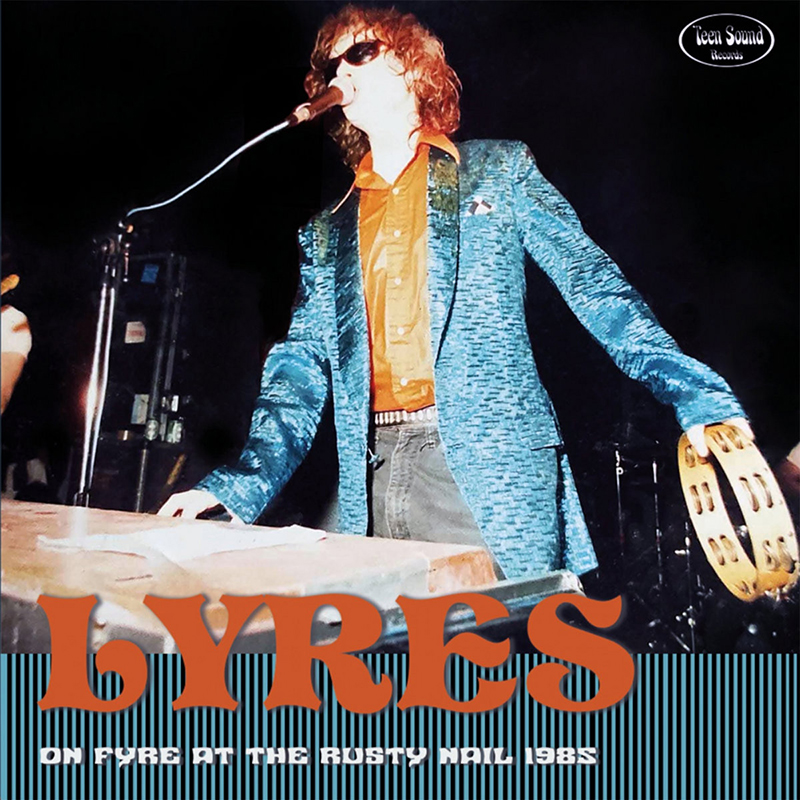
Lyres included the song on its debut album, 1984’s On Fyre, along with a re-recorded “Don’t Give it Up Now,” a cover of The Kinks’ “Tired of Waiting” and seven other tracks. Although not listed, a new lineup emerged in the later recordings with the DMZ rhythm section of Coraccio and Murphy returning and the appearance of guitarist Danny McCormack. Jonesing on Lyres European popularity, French label New Rose Records licensed the album (and many future releases) from Ace of Hearts for overseas distribution.
Surfing on the momentum, Lyres released a new 12-in EP on Ace of Hearts in ’85 featuring another of their classics, “She Pays the Rent.” The song married organ and guitar side by side in an infectious melody casting a comical tale about a cooling romance held together only because she covered their lease while he couldn’t even afford the phone. It’s one of Conolly’s best vocal recordings and noted Swedish punk band The Nomads recorded their own version and released it later that year.
The song appeared on the band’s second album, Lyres Lyres, in 1986 along with an updated recording of the 1979 relic “How Do You Know” plus four other originals. Flaunting his encyclopedic knowledge of garage-rock’s rich past, Conolly remade six lost classics by The Pretty Things, The Outsiders, The Alarm Clocks, The Jesters of Newport and The Nightcrawlers with Chuck Conlon to elevate the sophomore album into a musical masterpiece as well as a ‘60s rock ‘n’ roll history lesson.
1980S, ‘90S ALBUMS, ACTIVITY, LINEUPS, CONOLLY’S DEATH
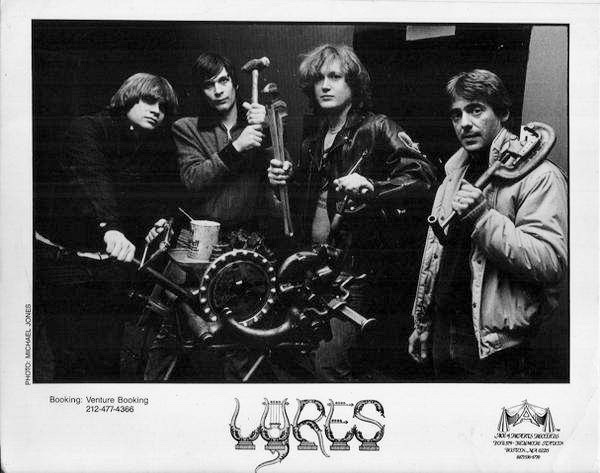
Into the late ‘80s, Conolly’s temperament and single-minded vision either alienated or cast off musician after musician, but a unit solidified to record and release Lyres’ third album, A Promise is a Promise, in 1988. Comprised of studio tracks produced again by Rick Harte and some live sides plucked from shows in Europe, the 14-song album (a CD version had nine more bonus tracks) featured an extensive family tree drawn on the inside of the gatefold sleeve which indicated that this album was completed by the band’s 13th lineup, including former Turbines guitarist Jack Hickey and a new rhythm section from Columbus, Ohio. One track featured guest vocals from punk legend Stiv Bators of The Dead Boys and another added Wally Tax from ‘60s Dutch band The Outsiders (not to be confused with the American band of the same name).
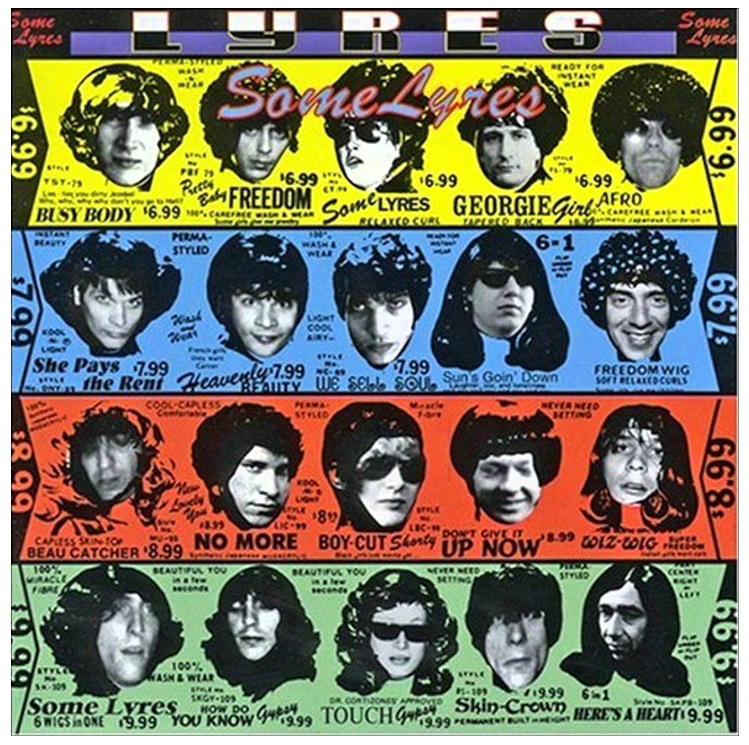
By 1989, Conolly had ended that version of the group and moved to San Diego, creating a West Coast lineup of Lyres to perform. Upon his return to Boston two years later, yet another version of the group produced a six-song EP of odds and ends on the Taang! label called Nobody But Lyres, followed by a full-length album of 10 covers and two originals titled Happy Now. Taang! also released the career-spanning compilation Some Lyres in 1994.
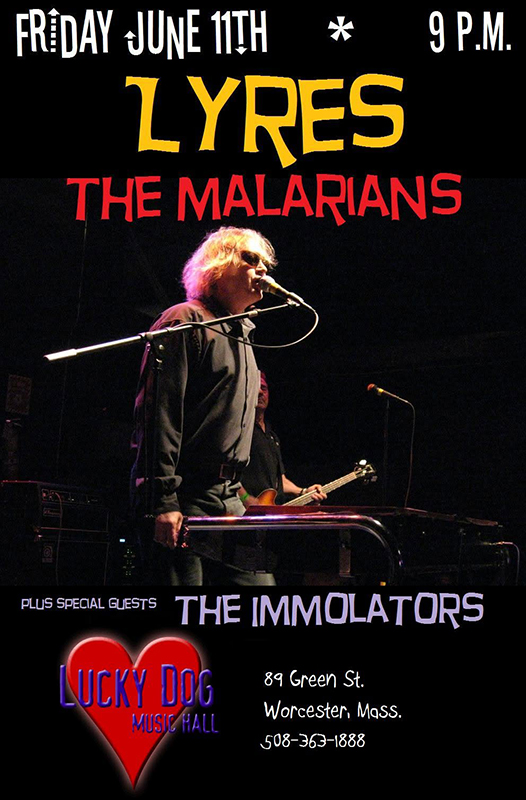
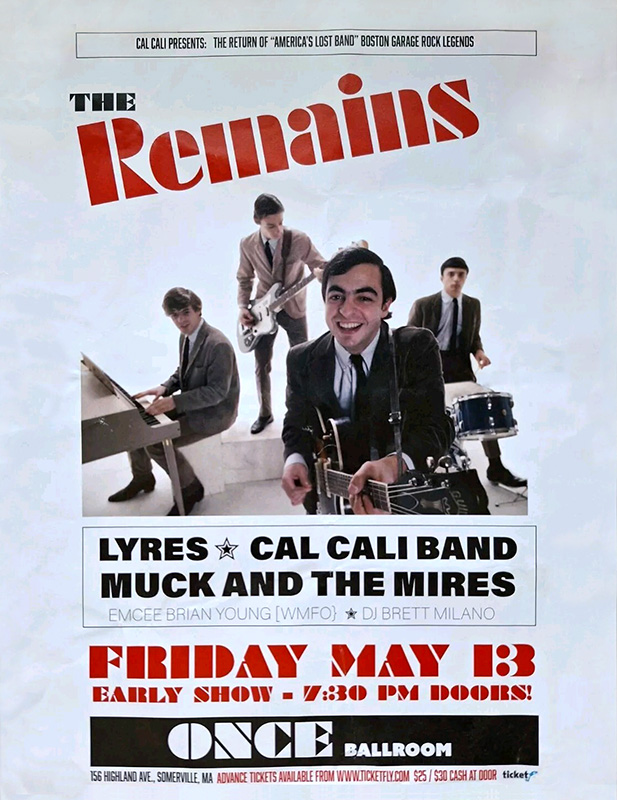
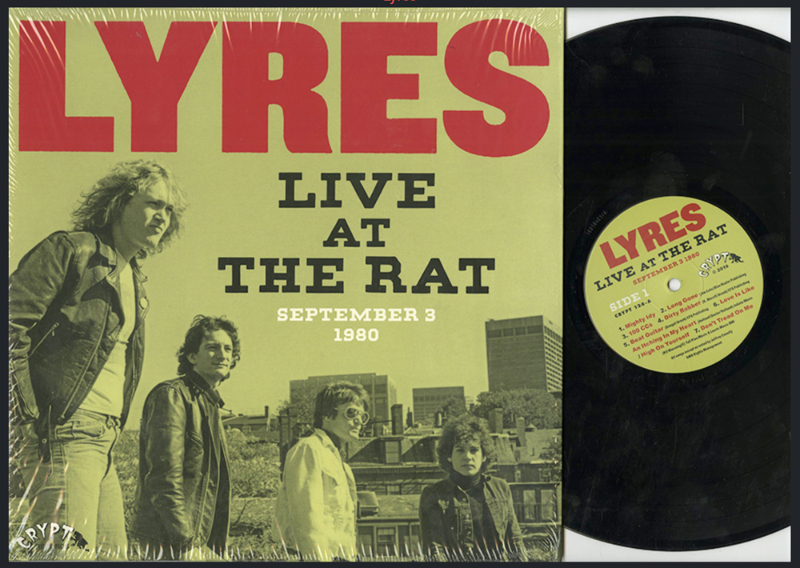
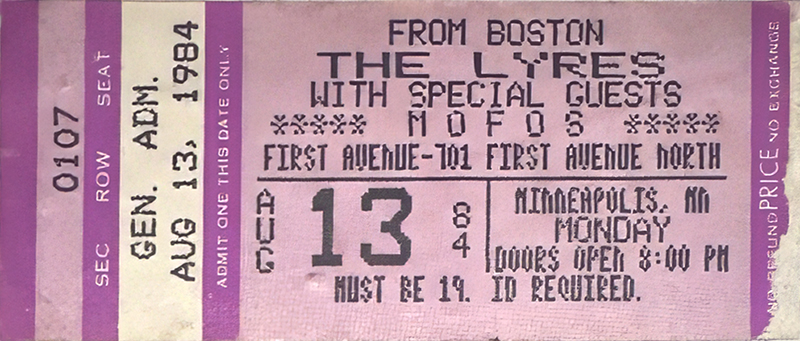
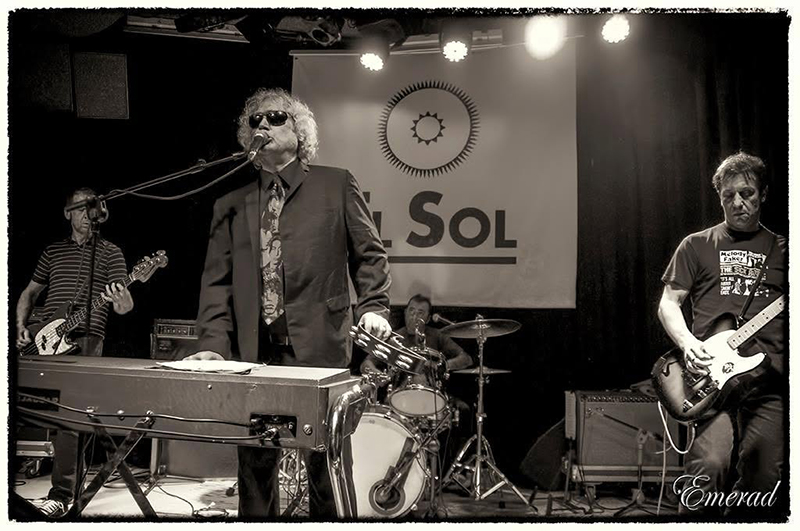
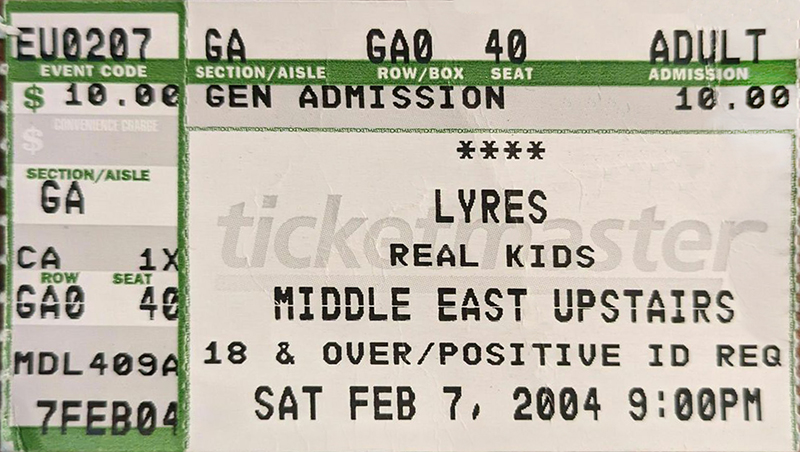
Through the ‘90s and into the new century, Conolly kept the band alive on a less active basis, playing shows as a flurry of small indie labels released CDs of past concerts to feed the band’s enthusiastic and considerable rabble of supporters. Monoman, the knot of feverish energy onstage and in the studio showed no signs of slowing down, but after Lyres performed what became its final show in February 2026, Conolly received a devastating diagnosis of bladder cancer; he passed away from the disease just six months later, on July 31st, at age 69. The king of Boston garage-rock had died; long live the king!
(by Oedipus and Carter Alan)
Oedipus is the former program director and vice president of programming at WBCN and former director of alternative programming for Infinity Broadcasting. During his tenure at ‘BCN, he created the shows Nocturnal Emissions and Boston Emissions.
Carter Alan is a former WBCN deejay now heard on WZLX-FM in Boston. He’s the author of Outside is America: U2 in the U.S. (Faber & Faber, 1992), U2: The Road to Pop (Faber & Faber, 1997), Radio Free Boston: The Rise and Fall of WBCN (University Press of New England, 2013) and The Decibel Diaries: A Journey Through Rock in 50 Concerts (University of New England Press, 2017).