Maxanne
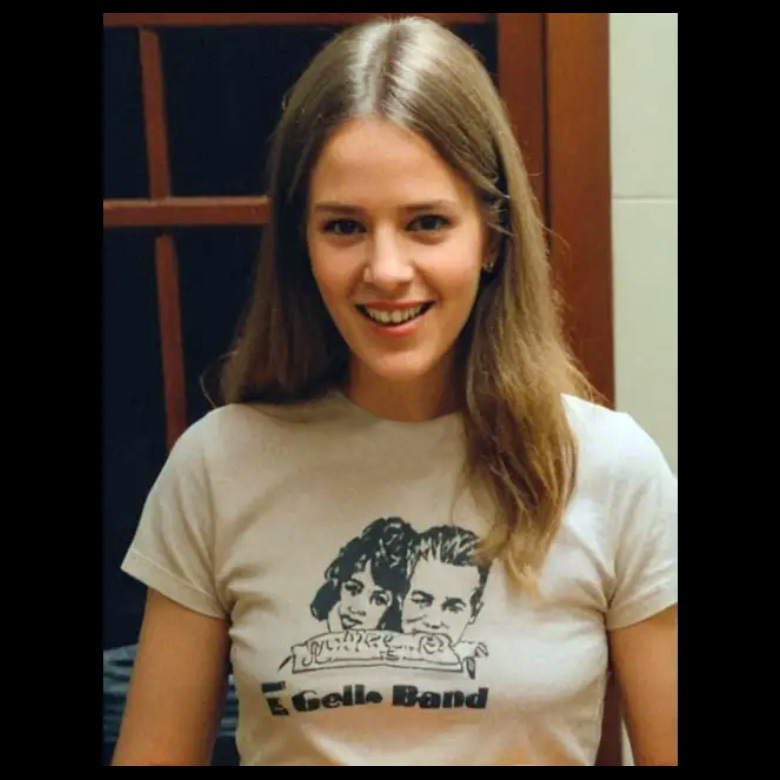
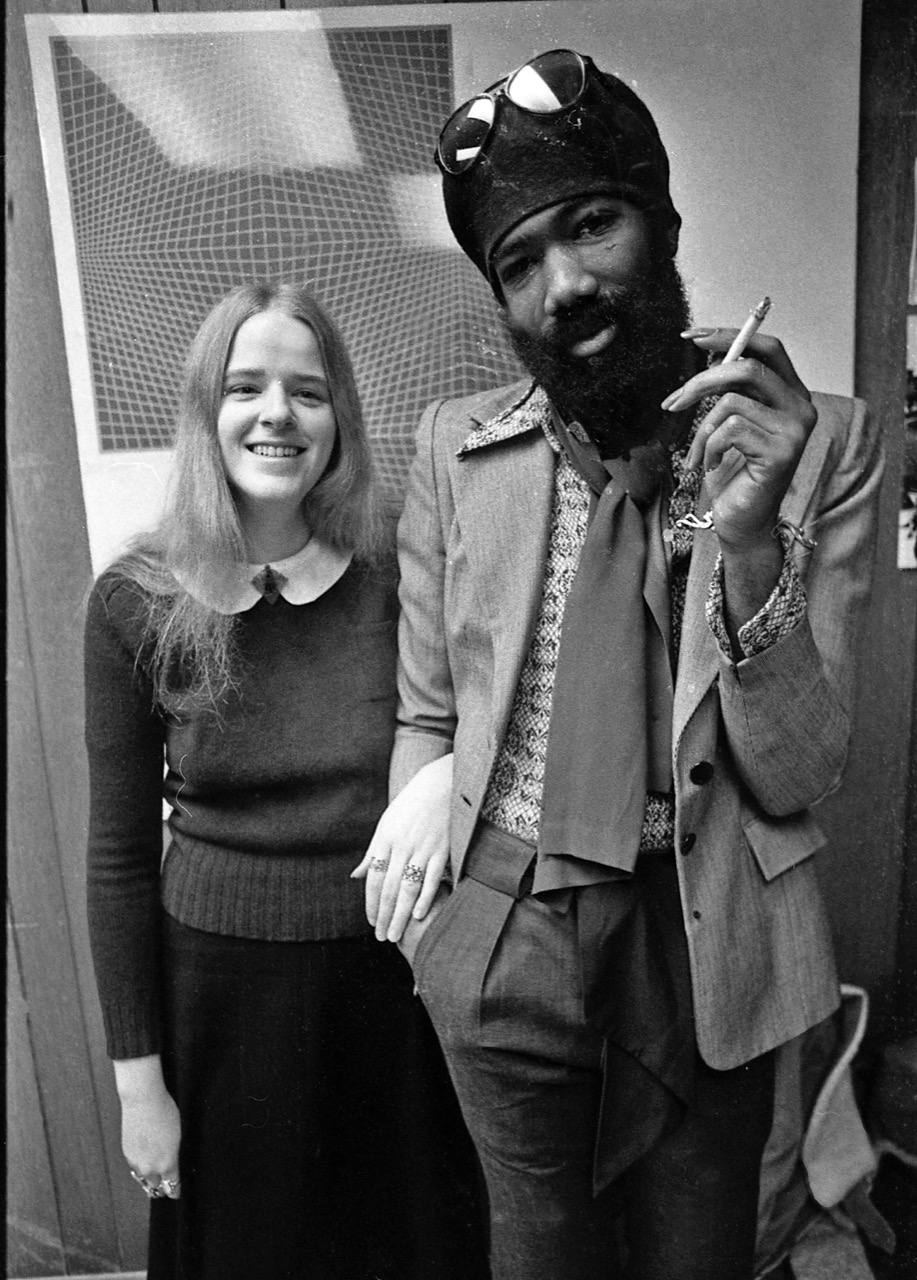
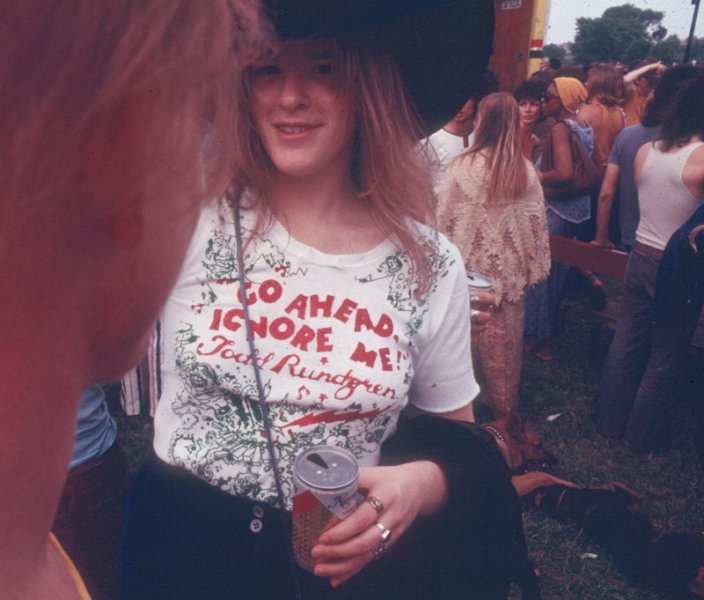
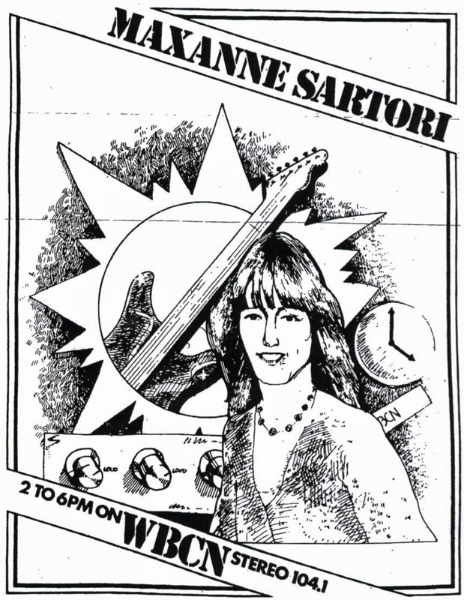
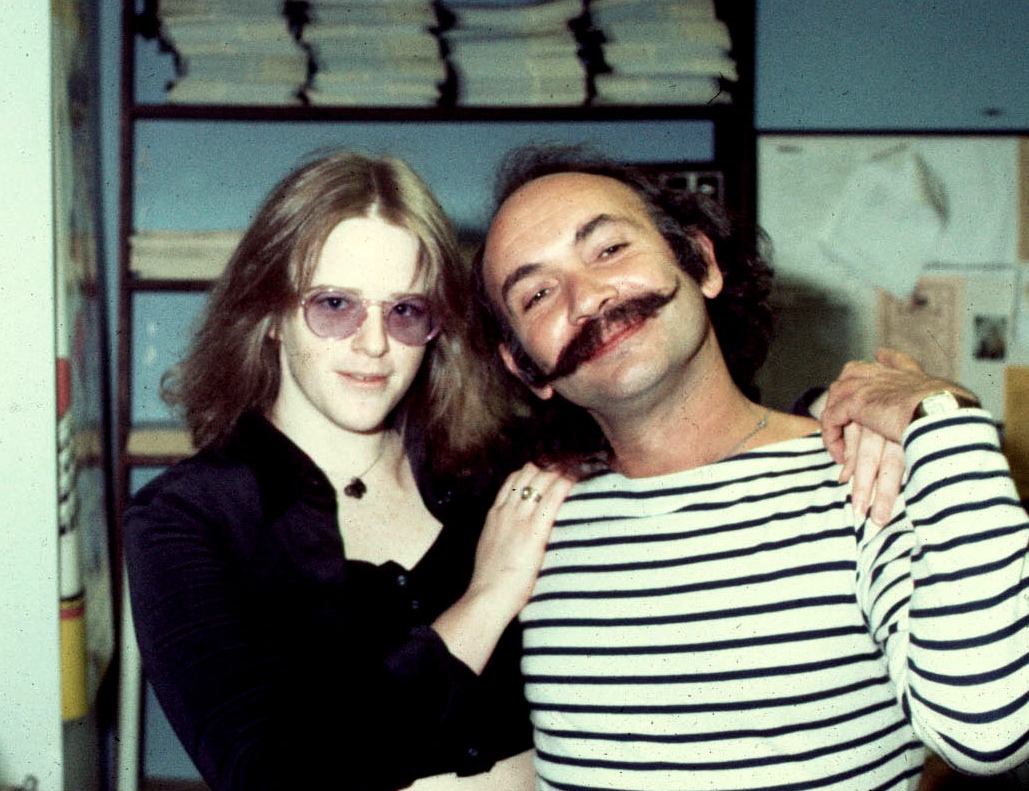
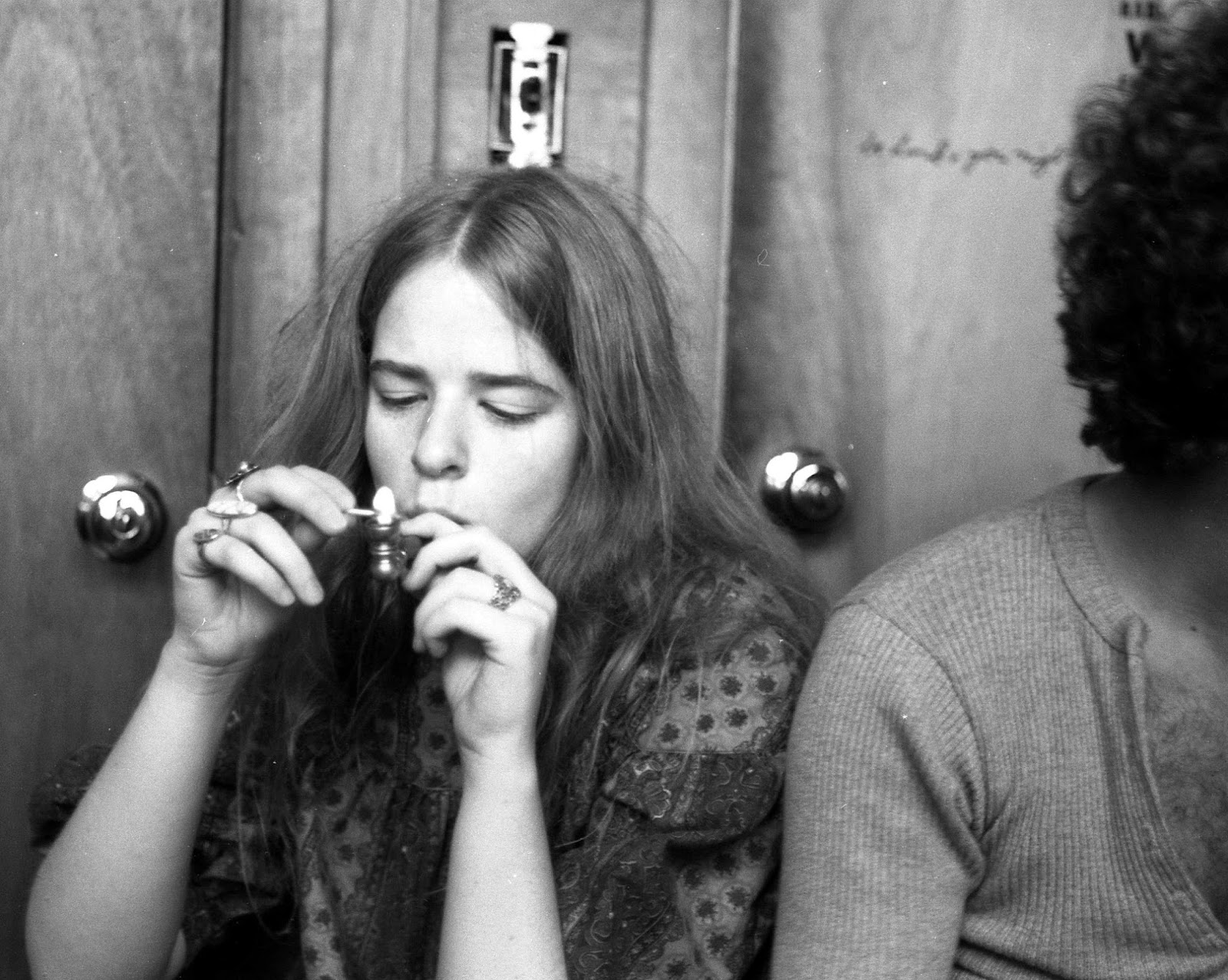
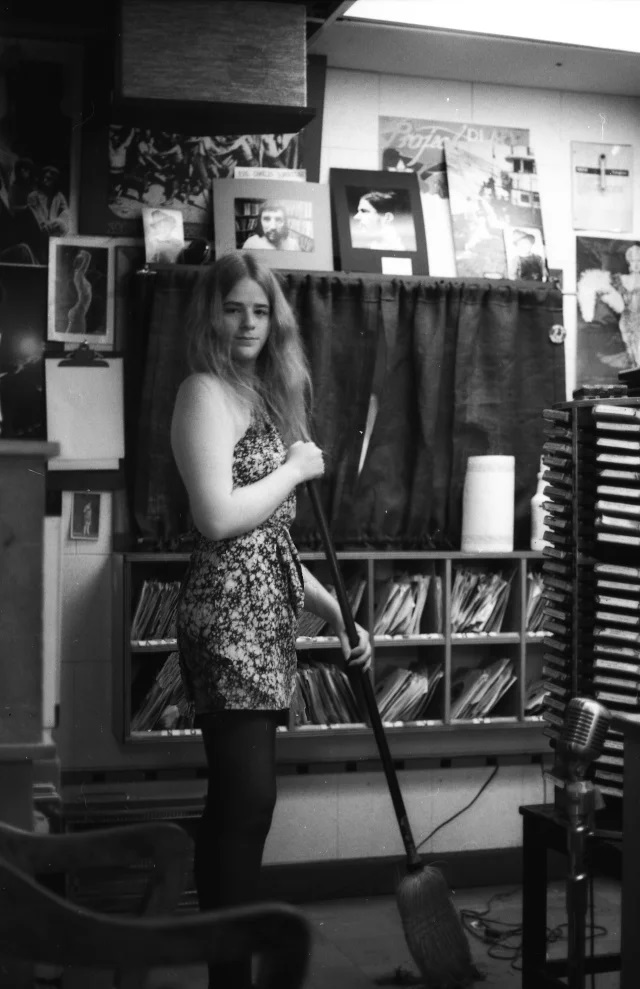
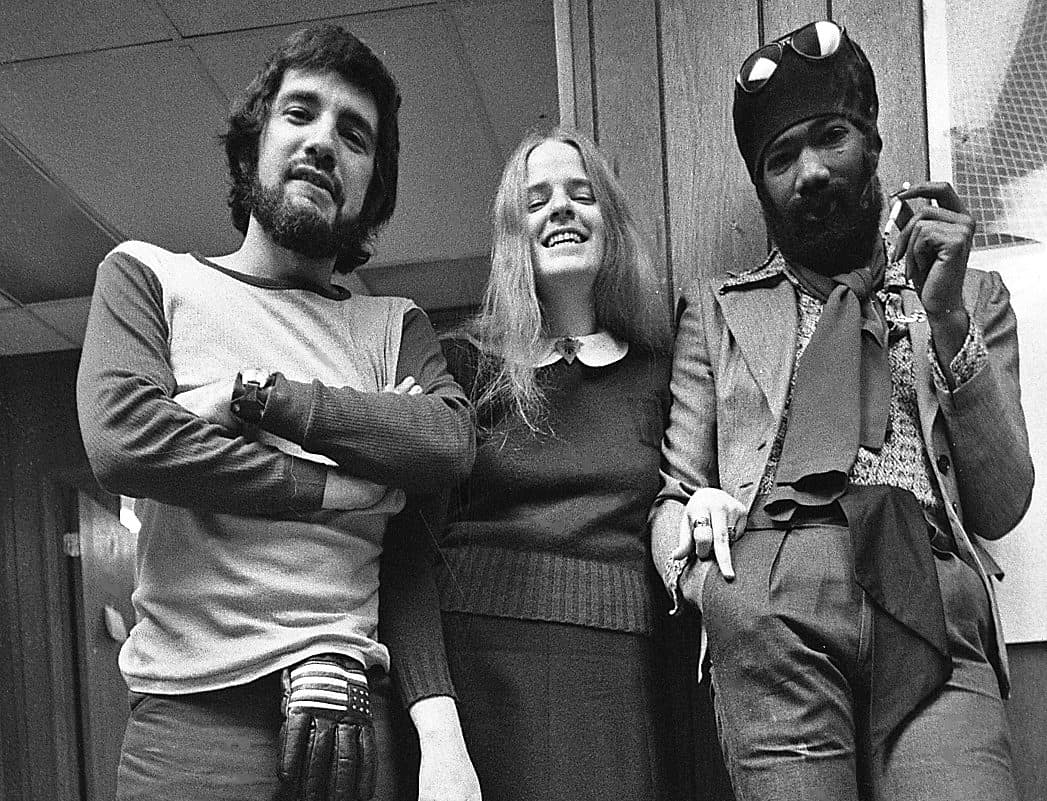
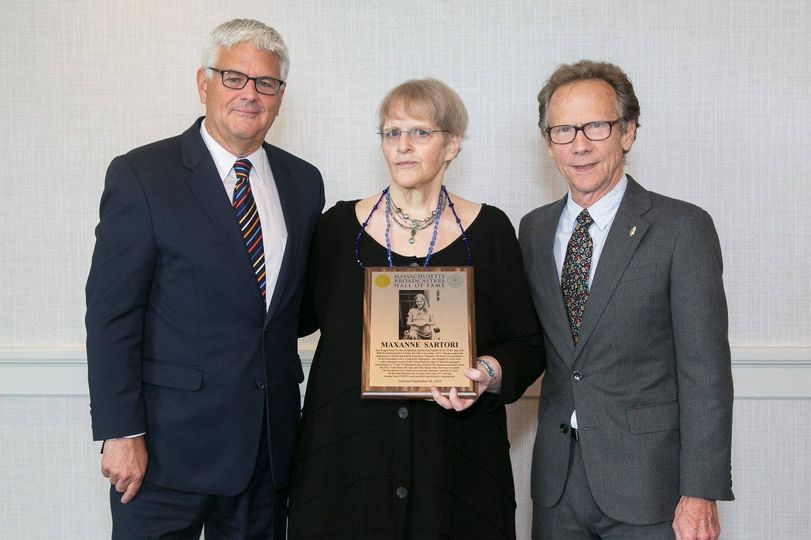
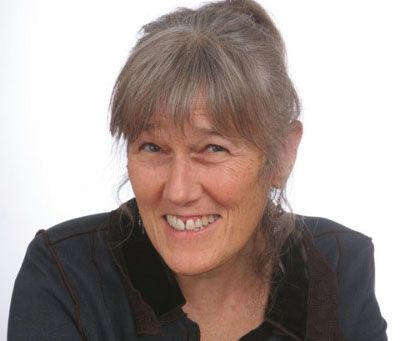
Former WBCN-FM afternoon drive host Maxanne Sartori joined the select list of New England’s publicly honored media legends when she was inducted into the Massachusetts Broadcasters Hall of Fame in 2018. She took her place alongside worthy television anchors, reporters, weathermen, sports broadcasters, station owners and fellow announcers during a stately awards luncheon, but it’s a safe bet to say that no one else on that list of dynamic industry standouts ever punished the speakers in their own studio with nearly the decibel levels Sartori found satisfying. “She ran [them] at the loudest possible level imaginable,” says former ‘BCN deejay and Program Director Tommy Hadges. “The production room at [WBCN] was right next to the air studio and I would try to get some work done in the afternoon, but Maxanne had her speakers up so loud that the place was rattling!”
The formidable radio personality loved to rock, no doubt, but the new songs and fresh sounds she played on the air mattered more to her than volume; above all, she was devoted to launching and/or building the careers of New England-based musicians while nurturing the progress of Boston’s early-‘70s rock scene. People noticed that commitment too; when The Cars were inducted into the Rock & Roll Hall of Fame in 2018, guitarist Elliot Easton acknowledged Maxanne personally from the podium for her “incredible support” in launching the band’s platinum-studded career. Similar plaudits have spilled in from other well-known artists, including Aerosmith’s Steven Tyler, who never minced words about her critical importance in the group’s backstory.
CAREER BEGINNINGS, JOINING WBCN
Maxanne Sartori began her radio career at Seattle’s KOL-FM and was working there in 1970 when an opening on the WBCN schedule prompted Program Director Sam Kopper to ask the 20-year-old if she’d be interested in moving to Boston and into the station’s afternoon shift. Then well into its second year playing music in a free-form style which allowed the deejays to curate their own playlists, ‘BCN had achieved a high reputation for its daring approach and creativity, but had also received criticism from women’s groups for being an on-air boy’s club in which women were often referred to as “chicks.” In a brilliant media event, a group of female protesters once stormed into the ‘BCN office and dumped a bag of actual baby chickens on Kopper’s desk, declaring, “These are chicks; we are women!” At the time, female radio announcers were a rarity, and some have claimed that the only reason Maxanne was hired was because of her gender, but Kopper always maintained that her natural talent won her the position. While she might have moved to the head of the line because of the station’s need for a woman in a prominent staff position, once she got there it quickly became obvious that she had an abundant knowledge of music and possessed the grit and acumen to own the coveted job.
The new Boston arrival had gone by the on-air moniker “Max” in Seattle, but due to the huskiness of her low voice, station management requested that she go by the name “Maxanne” to reinforce (ironically) her identity as a woman when she joined the lineup on Friday, November 13, 1970. Certainly no bad omen, that day marked the beginning of a fruitful and famous association that lasted nearly seven years. It was immediately clear that the new hire loved to rock, as fellow ‘BCN deejay Debbie Ullman once observed: “I was motivated by the counterculture – Jesse Colin Young, Incredible String Band, Jefferson Airplane – [but] she was really into rock ‘n’ roll. She was much more tuned into what [would be] happening with ‘BCN by the later ‘70s.”
CHAMPIONING LOCAL ACTS, BRUCE SPRINGSTEEN
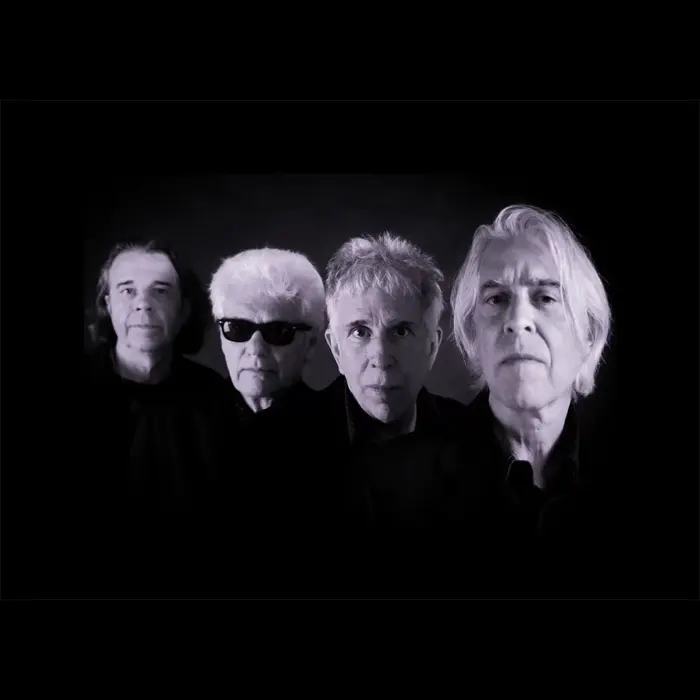
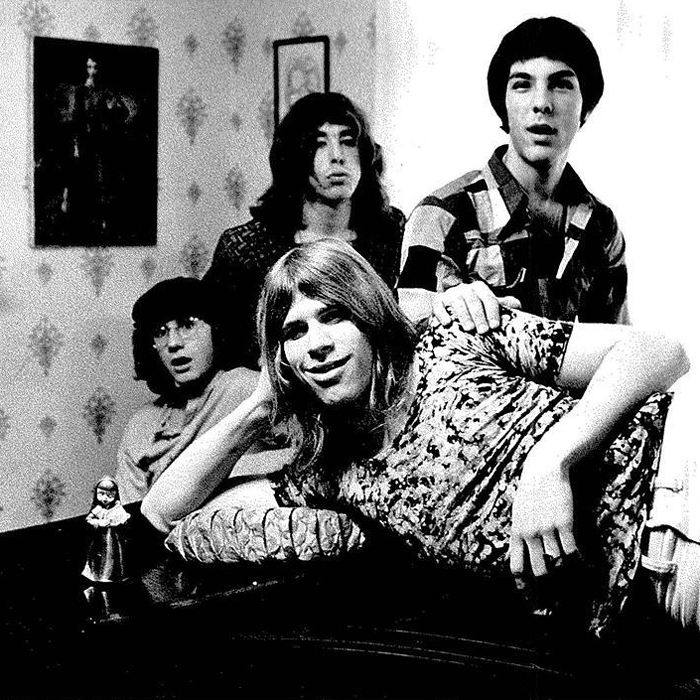
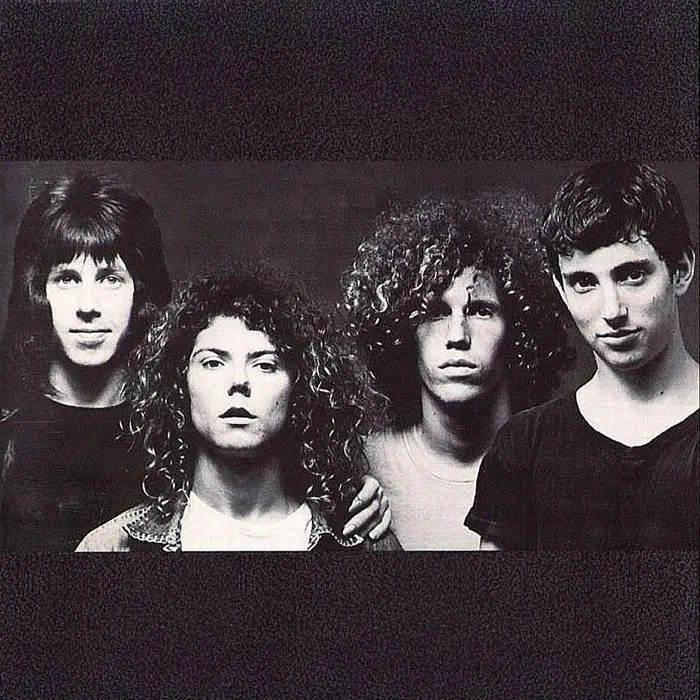
As Maxanne slid into the studio chair and introduced her intuitively creative sets of songs to Boston’s eager audience, she also began to connect with the threads of a rapidly developing local music scene and would soon be recognized as one of its greatest champions. She played early recordings by The Modern Lovers and even lived with the band as a housemate in Cohasset for a time. The J. Geils Band had its mojo working by 1970 and Atlantic issued the band’s first album three days after she arrived; Maxanne wore that vinyl out during her shifts.
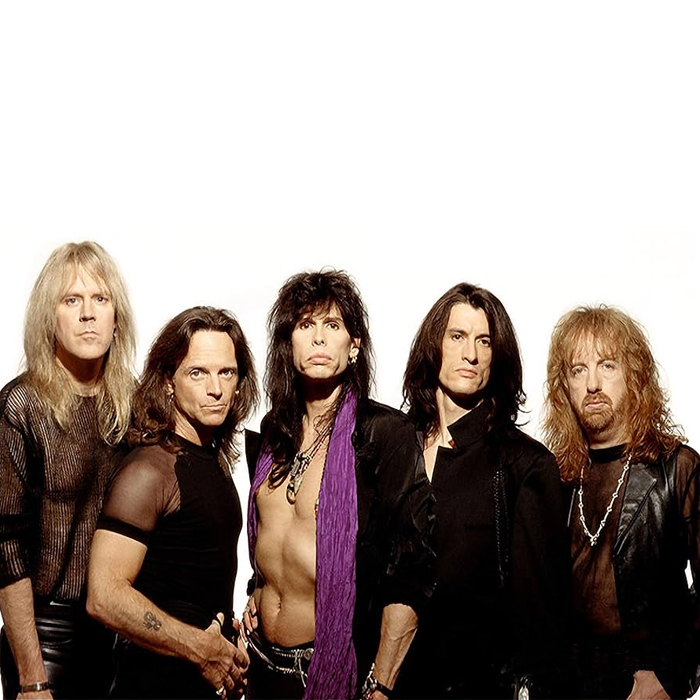
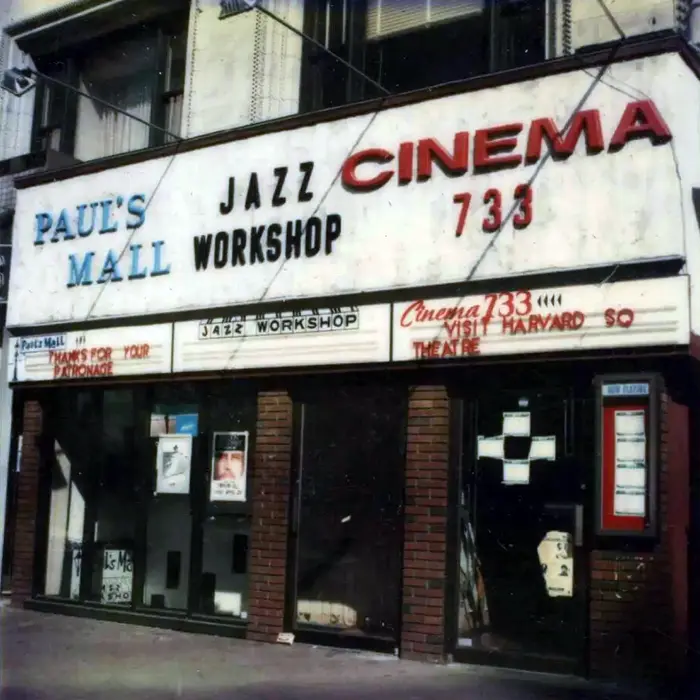
Aerosmith evolved in New Hampshire but had moved south to Boston’s Brighton neighborhood by 1971, when Maxanne became one of the band’s most influential supporters. “The first person ever to play our record was Maxanne,” according to frontman Steven Tyler. “We were ruffling our feathers one night when we caught her attention at a club called Paul’s Mall.” Maxanne persistently raved about the group to new ‘BCN Program Director Norm Winer, who refused to let her play any of their tunes at first: “I thought they were too derivative. But, of course, she was right,” he eventually admitted. Maxanne jump-started the steady local airplay that eventually led to mammoth crowds at every local Aerosmith gig and a major-label offer (from Columbia). The expected strong national response to the group’s self-titled debut album failed to materialize – and the band didn’t attract a huge national audience until 1975’s Toys in the Attic – but the debut album sold a whopping 40,000 copies in New England, which prevented Columbia from making the costly mistake of dropping what would become America’s biggest selling hard-rock band of all time.
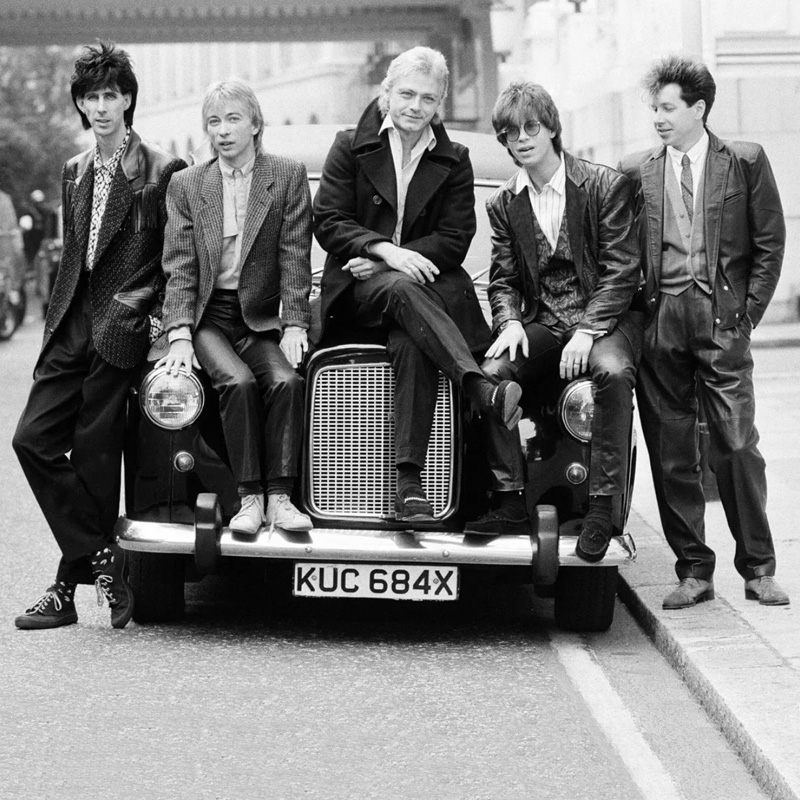
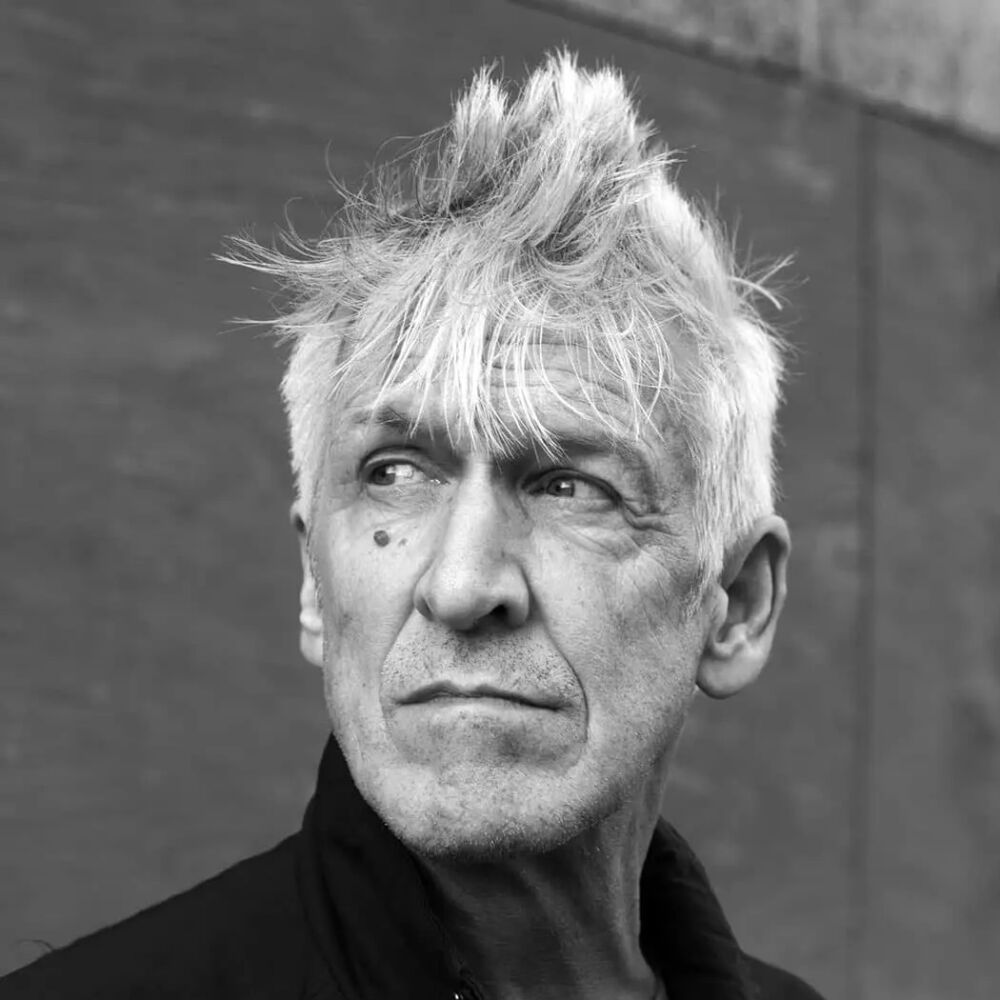
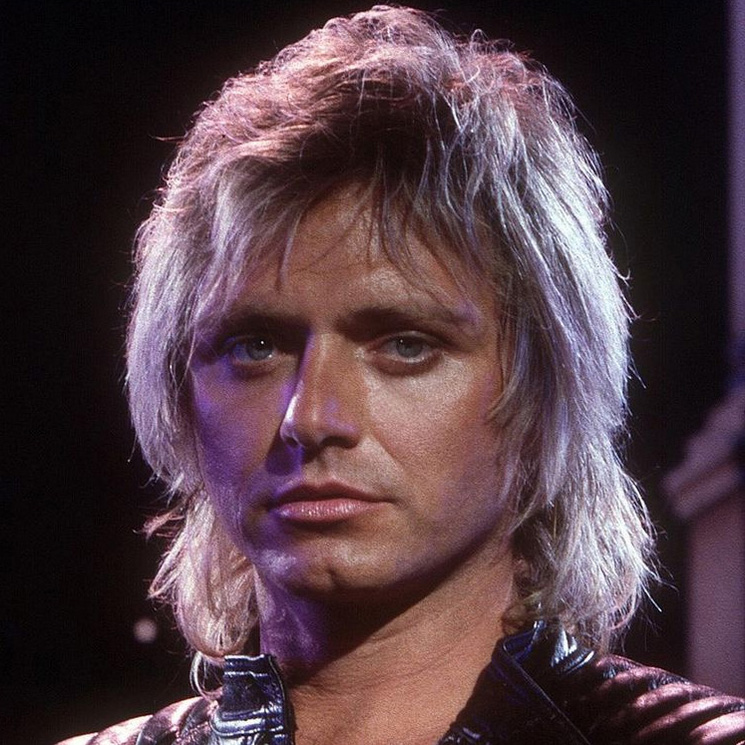
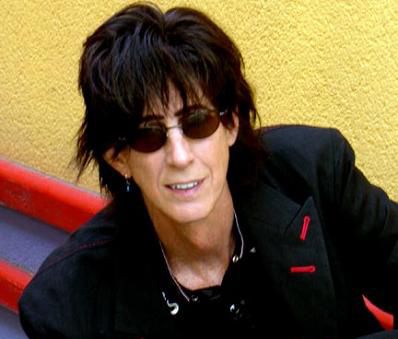
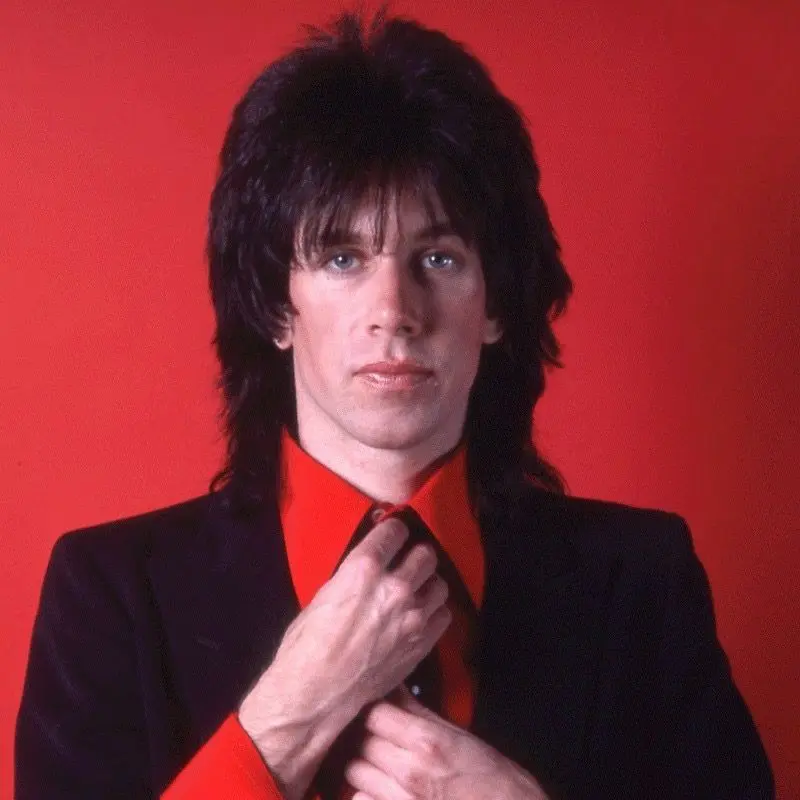
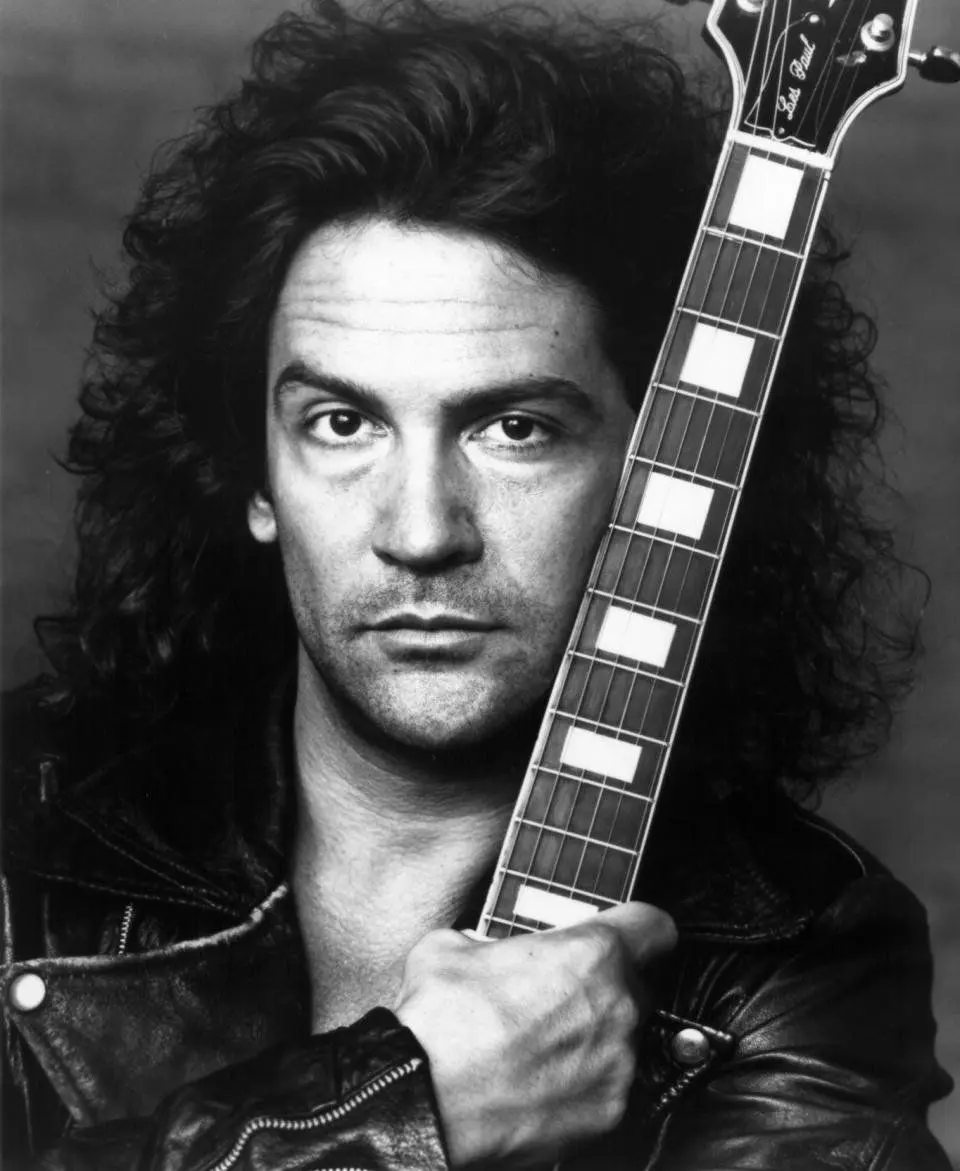
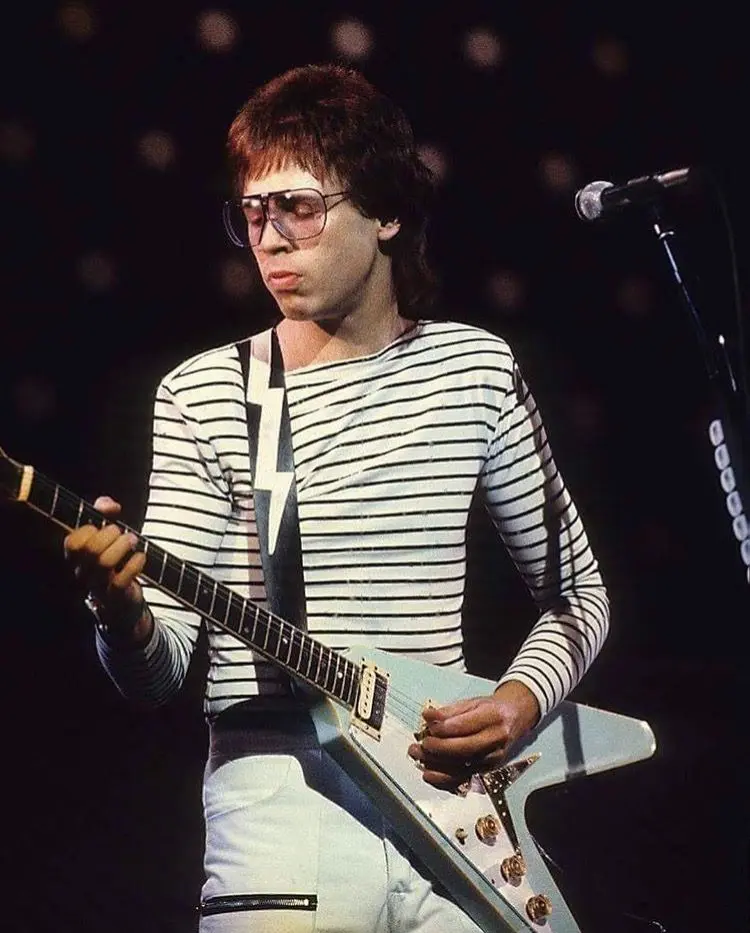
Maxanne actively promoted Wellesley, Massachusetts native Billy Squier and his band Piper along with many others from the embryonic Boston scene including Willie “Loco” Alexander, Reddy Teddy, Nervous Eaters and Fox Pass. Blown away by Ric Ocasek and Benjamin Orr in their band Cap’n Swing (which turned into The Cars), she played early demos of “Just What I Needed” and “My Best Friend’s Girl” on the air. Welcomed into the band members’ orbit, she often made suggestions to the future stars, including when she bluntly told Ocasek that Cap’n Swing was a terrible name and later convinced a skeptical David Robinson from The Modern Lovers to audition for the drummer’s seat in The Cars (a move that obviously worked out for all concerned!).
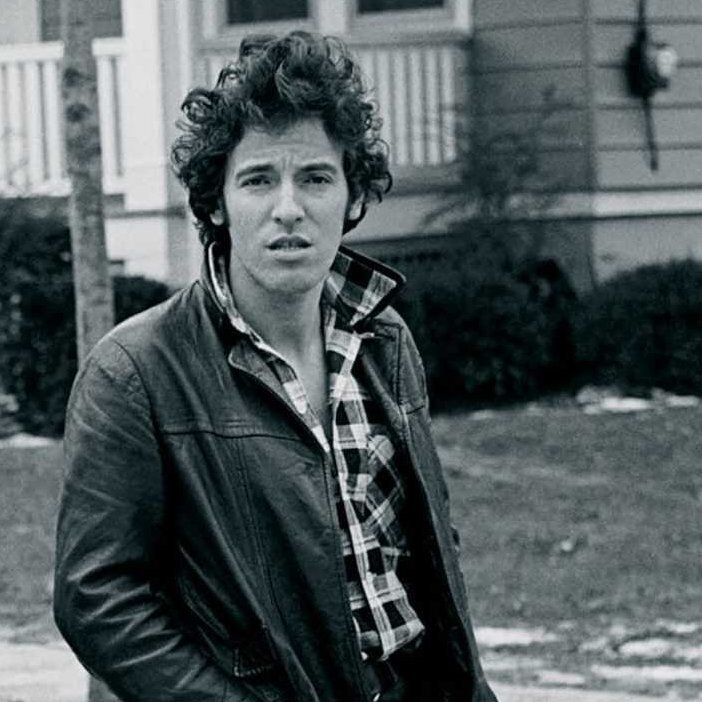
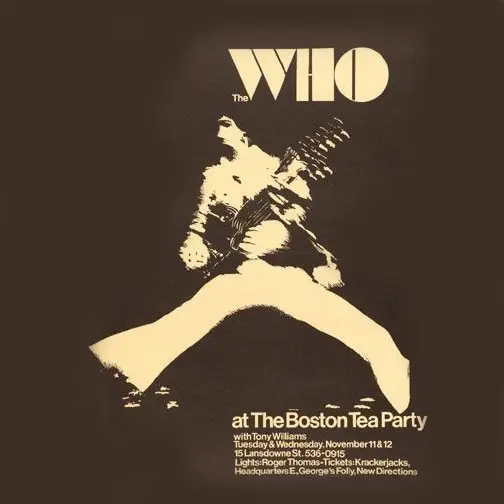
Maxanne is also remembered for her association with a young Bruce Springsteen, who dropped in on the afternoon show with a truncated version of The E Street Band for a pair of famously bootlegged and beloved unplugged performances (in January ‘73 and April ’74). Indeed, the equally unique and hilarious performance of “Rosalita” from the latter visit is easily one of the most memorable nine minutes in WBCN’s entire history. Her support was critical for Springsteen in New England as he struggled to find footing through his first two underappreciated albums before finally breaking through to America on his third LP, Born to Run. As for highlights of her years at ‘BCN, Maxanne cites her part in live broadcasts with Patti Smith, Tom Waits and Randy Newman; introducing a young English group called Queen on the air long before their first hits; and interviewing the Tasmanian devil of rock, Keith Moon of The Who.
LEAVING WBCN, LATER ACTIVITY
By the time Maxanne left ‘BCN (on April Fool’s Day 1977), she’d become arguably the station’s most powerful and distinctive personality. Trading in her headphones, the jock took a job doing regional promotion for Island Records before moving to the national A&R department of Elektra-Asylum Records, where she spent four years grooming new talent and remained in close proximity to one of that label’s superstar acts, The Cars. She played jazz at WRVR in New York City, then came back to Boston to be a deejay and program director at WBOS for a time before returning to New York, where she worked for three years at WNEW-FM as a deejay and music director. There were more stints on West Coast stations and some time working as an independent record promoter out of the Big Apple.
Eventually, she came back to Boston, settling in nearby Brookline, where she lives today within sight of WBCN’s home for many years, the Prudential Tower’s 50th floor, where she’d cued up and spun so many brand-new records that came to define a generation…or two…or three.
(by Carter Alan)
Carter Alan is a former WBCN deejay now heard on WZLX-FM in Boston. He’s the author of Outside is America: U2 in the U.S. (Faber & Faber, 1992), U2: The Road to Pop (Faber & Faber, 1997), Radio Free Boston: The Rise and Fall of WBCN (University Press of New England, 2013) and The Decibel Diaries: A Journey Through Rock in 50 Concerts (University of New England Press, 2017)