John Lincoln Wright and The Sour Mash Boys
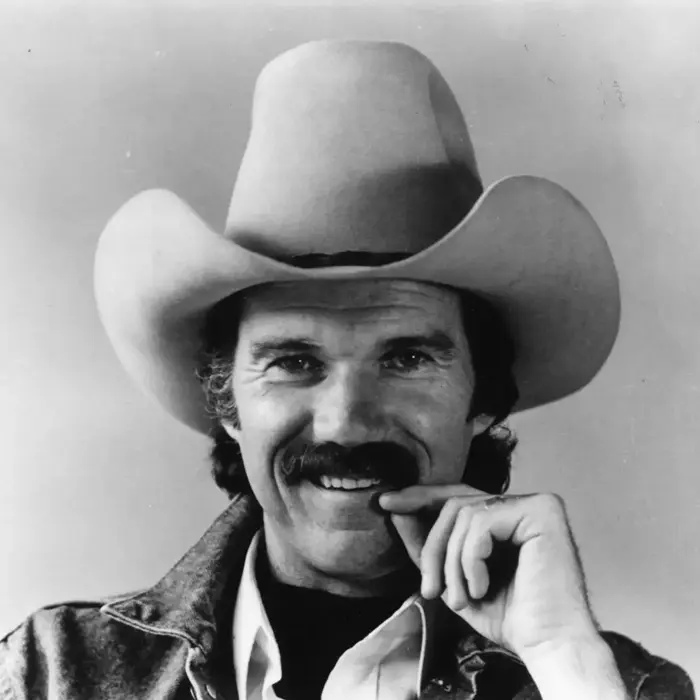
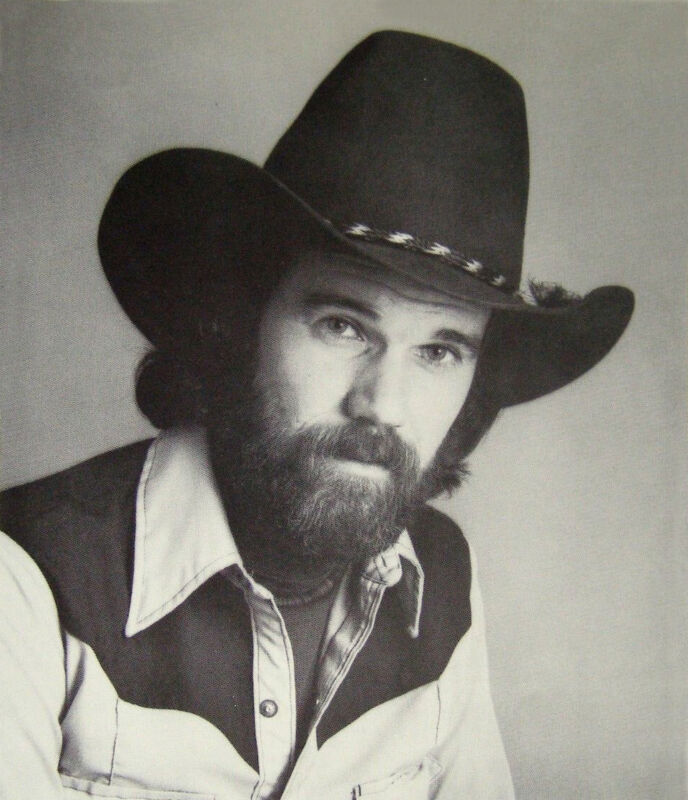
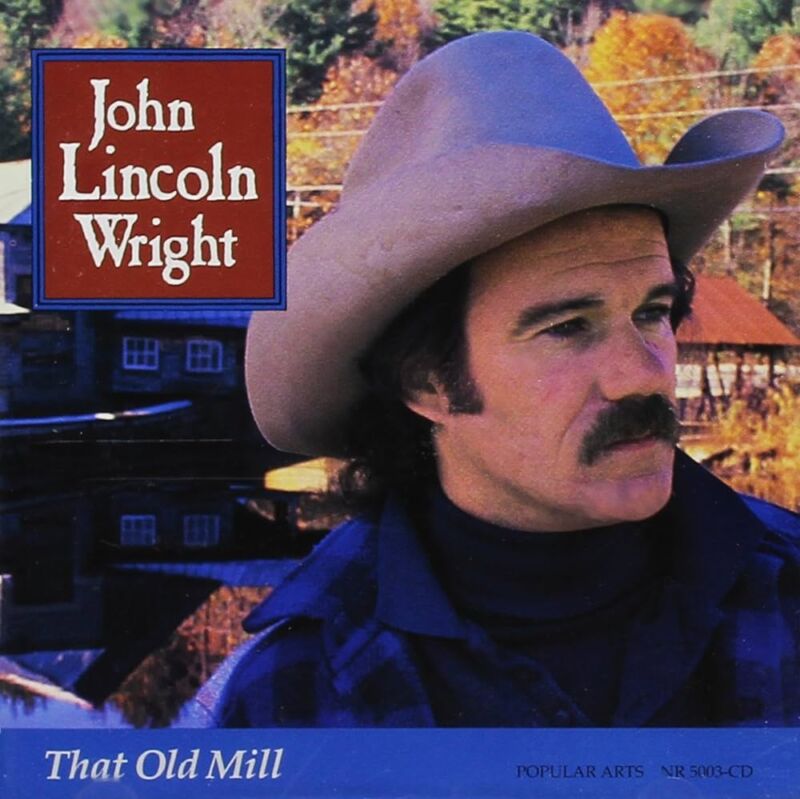
John Lincoln Wright
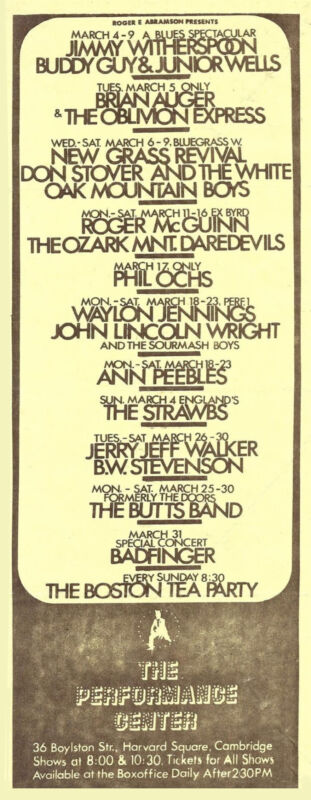
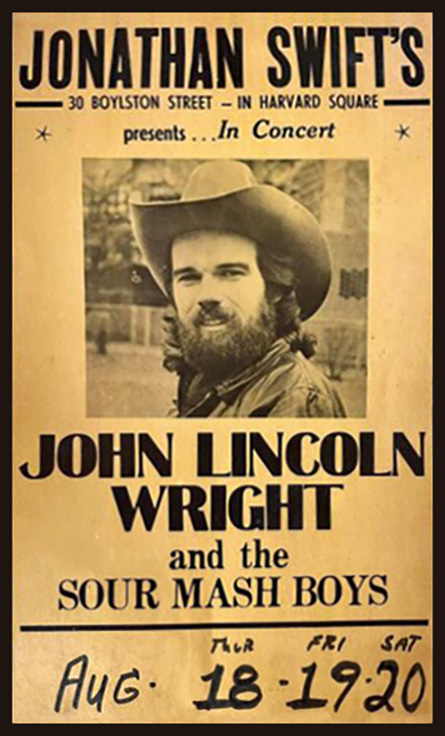
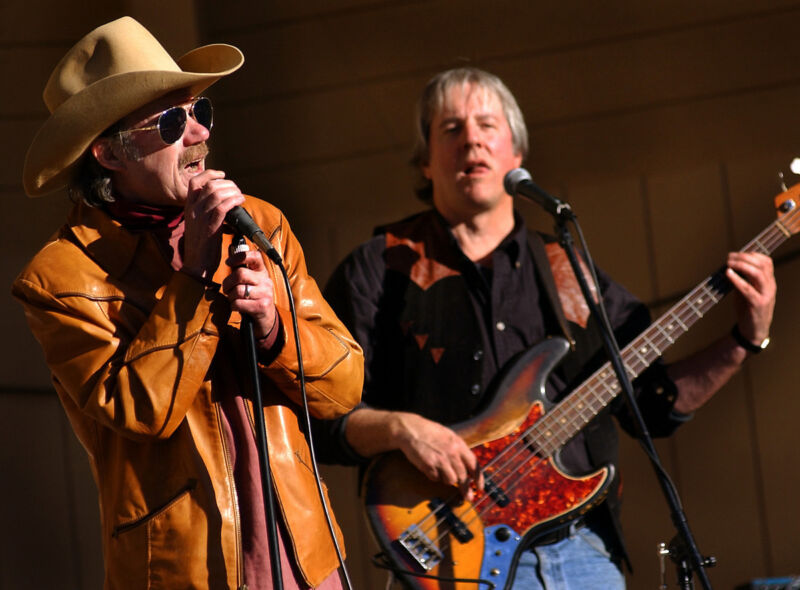
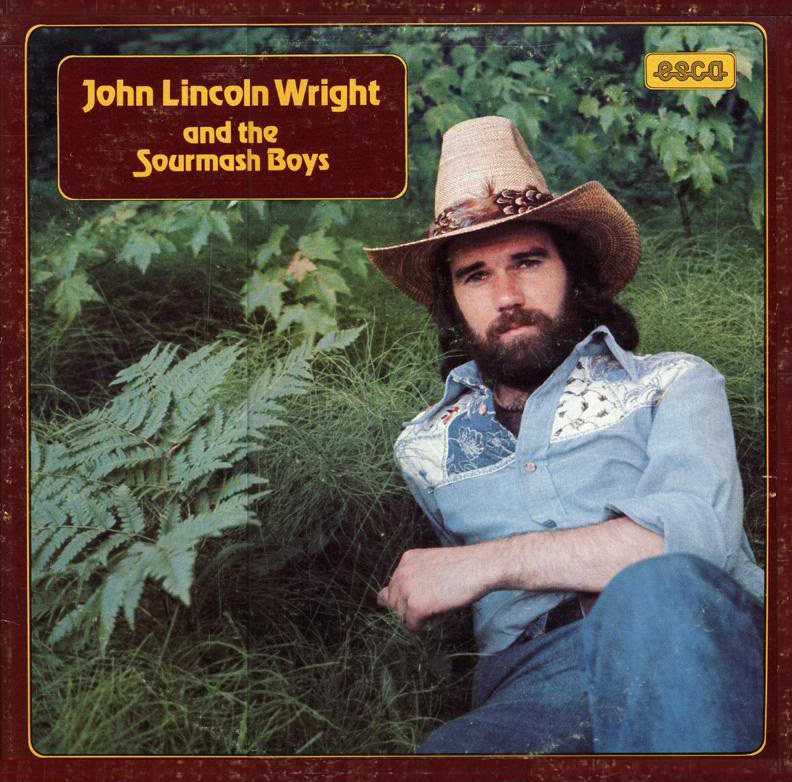
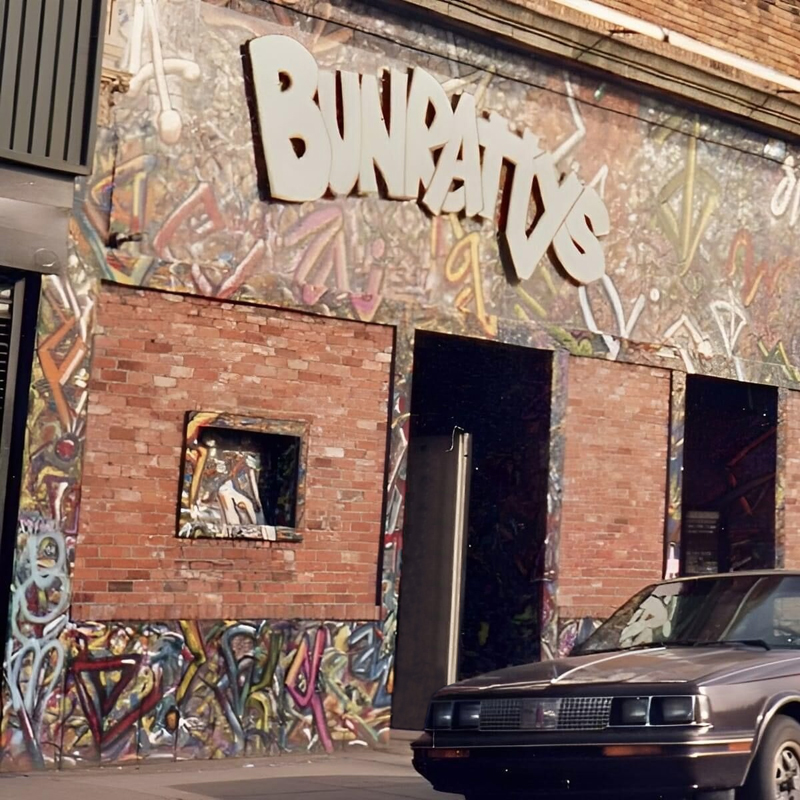
John Lincoln Wright and The Sour Mash Boys were widely known as New England’s signature country-rock band for nearly four decades before Wright’s death in 2012. Formed in 1973, the group cut its teeth in boisterous Harvard Square clubs such as King’s (now Jonathan Swift’s), the Oxford Alehouse and Performance Center I and II, Bunratty’s in Boston, and suburban clubs/lounges throughout the six-state region, becoming wildly popular.
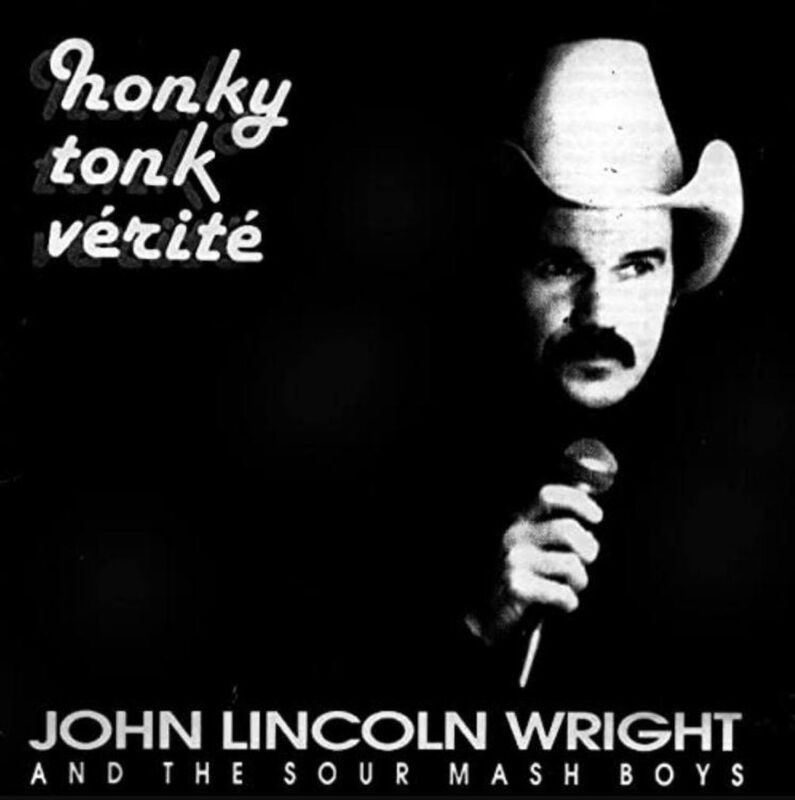
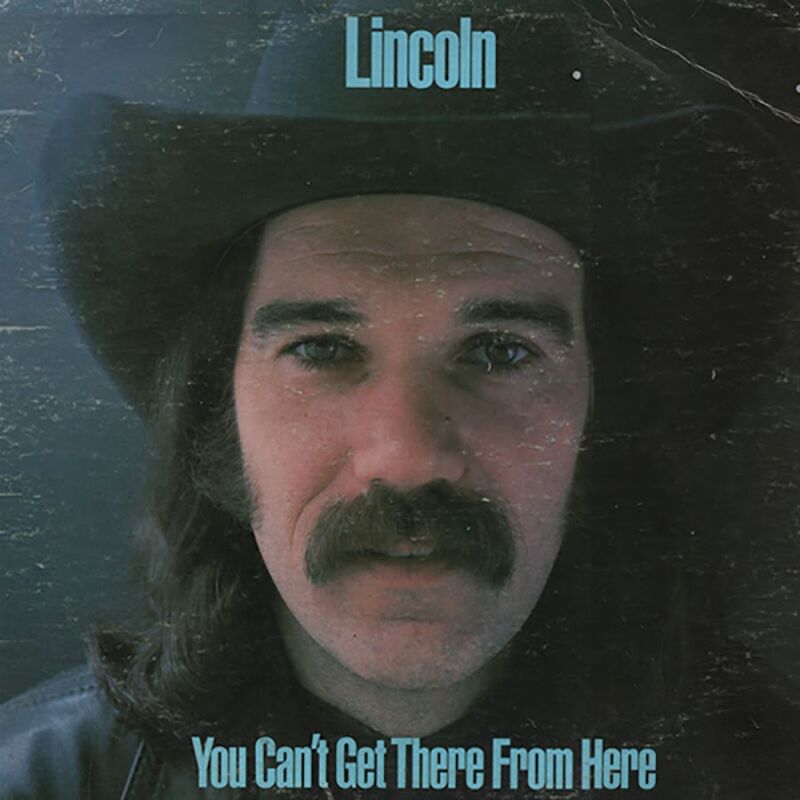
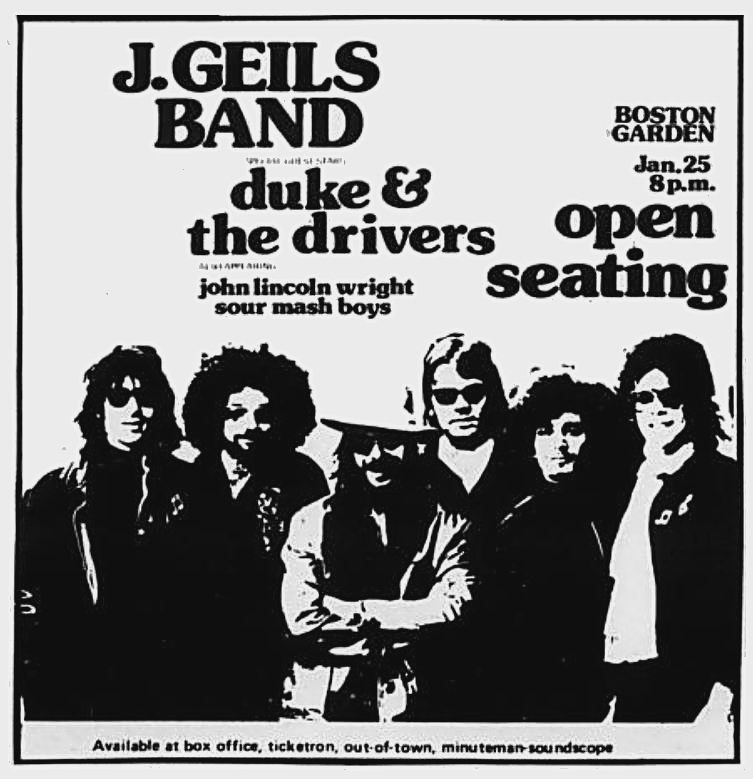
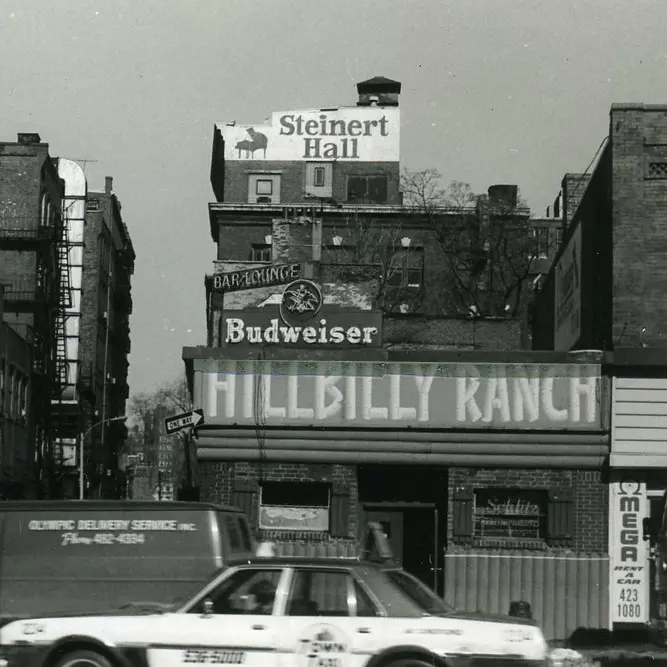
One of the most pioneering acts in New England and the greater Northeast, they played regularly at Boston’s Hillbilly Ranch, O’Lunney’s and The Lone Star in New York City and The Chickbox on Nantucket, among other venues, and opened for an impressive array of national acts including Wllie Nelson, Waylon Jennings, Townes Van Zandt, Emmylou Harris, Del McCoury, Duke Robillard and The J. Geils Band. The group recorded an eponymous EP in 1974, followed by three full albums: Takin’ Old Route One (1977), You Can’t Get There From Here (1981, as The Sourmash Revue) and Honky Tonk Vérité (1991).
FOUNDING, REPERTOIRE, PERFECT TIMING, UNIQUE SOUND
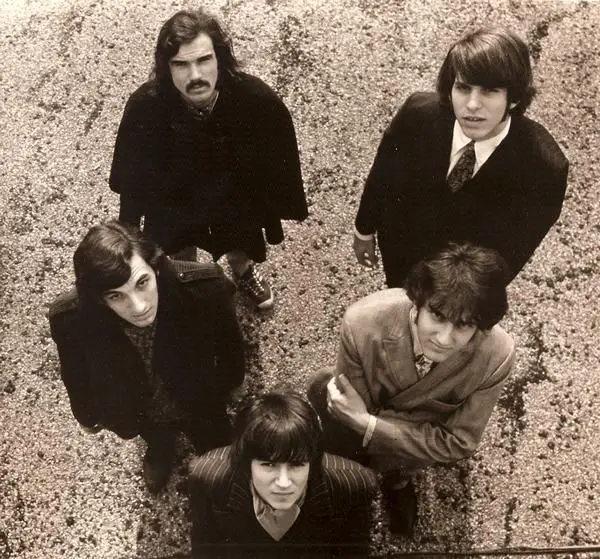
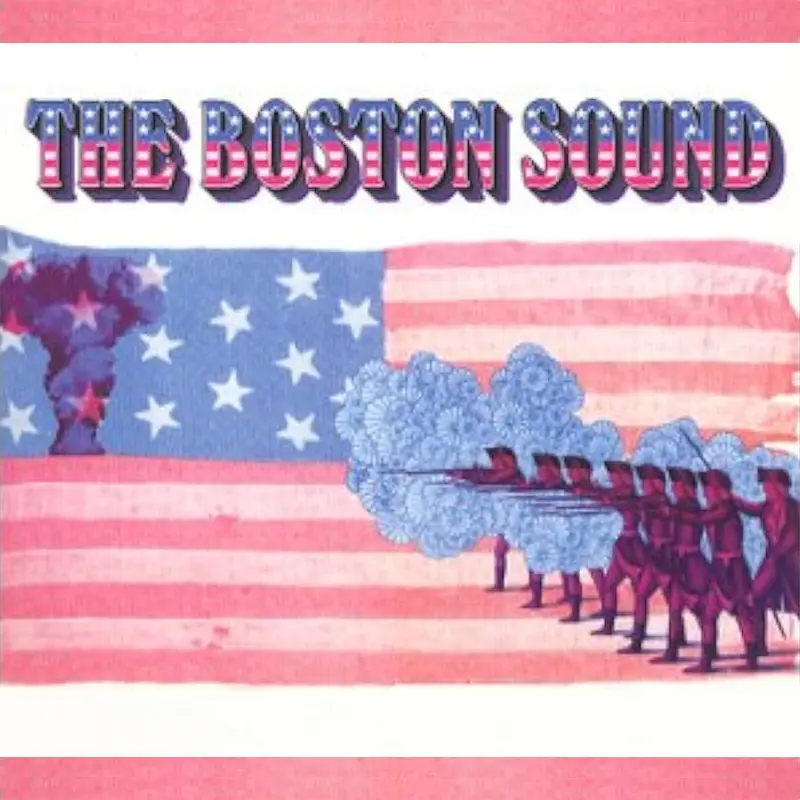
Raised in Maine, Wright had always loved country music, and when he had nothing to lose following the collapse of his late-‘60s band The Beacon Street Union in the wake of MGM Records’ failed Bosstown Sound promotion, he decided to follow his heart. Taking a chance, he assembled The Sour Mash Boys, commonly known as a “drinking band,” and they soon amassed a large, rowdy following, working steadily through the ‘70s and into the 21st century.
Above all else, The Sour Mash Boys were a New England band, and in particular a Cambridge band. When the possibility of moving the group to roots-rock haven Austin, Texas came up, Wright nixed it immediately in a clear reflection of his tenacious New England identity. The band’s repertoire combined Wright’s original material with covers of tunes by Waylon Jennings, Tom T. Hall, Bob Wills, Hank Williams, Gram Parsons, The Grateful Dead and other iconic roots-driven artists.
Wright’s timing in forming the band couldn’t have been better; The Sour Mash Boys hit the Boston-area club scene just as country rock was beginning to take off as part of the national vogue. The distinctly rock-rooted group he assembled offered a new brand of country that was gritty, urban, eclectic and perfectly suited to Harvard Square’s youthful club scene, and each member’s prior experience was almost entirely in rock groups, which brought a certain attitude to their stage presence – the anarchy and irreverence characteristic of ‘60s and ‘70s rockers – and a hard, take-no-prisoners edge to their sound. Nobody in Nashville had heard such a new take on country at the time, and it wasn’t until years later that electrified bands became standard in Music City.
ORIGINAL LINEUP, PERSONNEL CHANGES, LEGACY
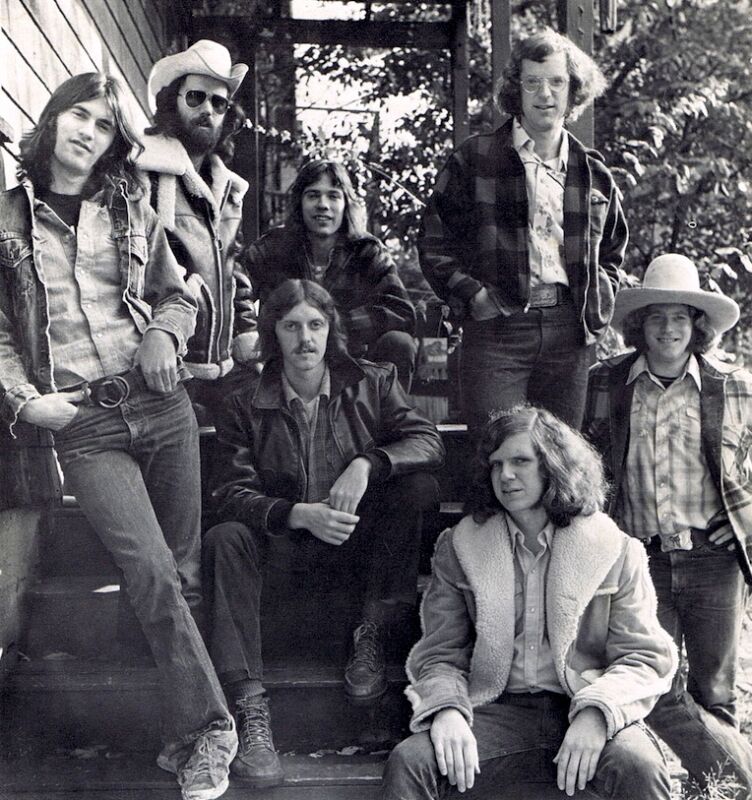
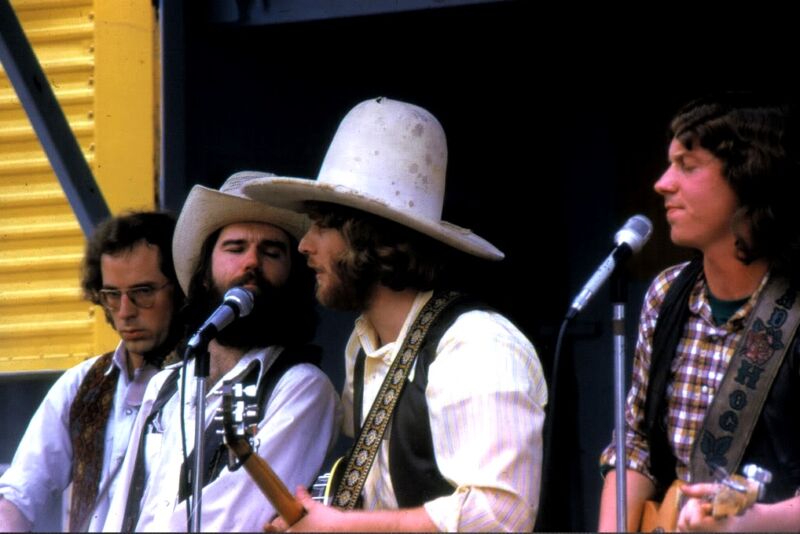
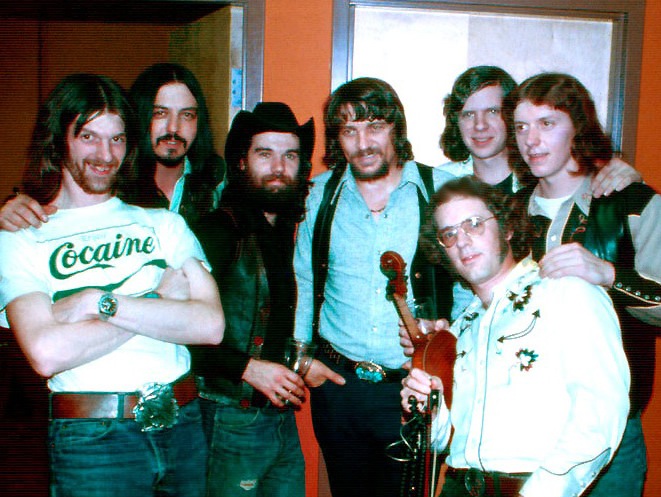
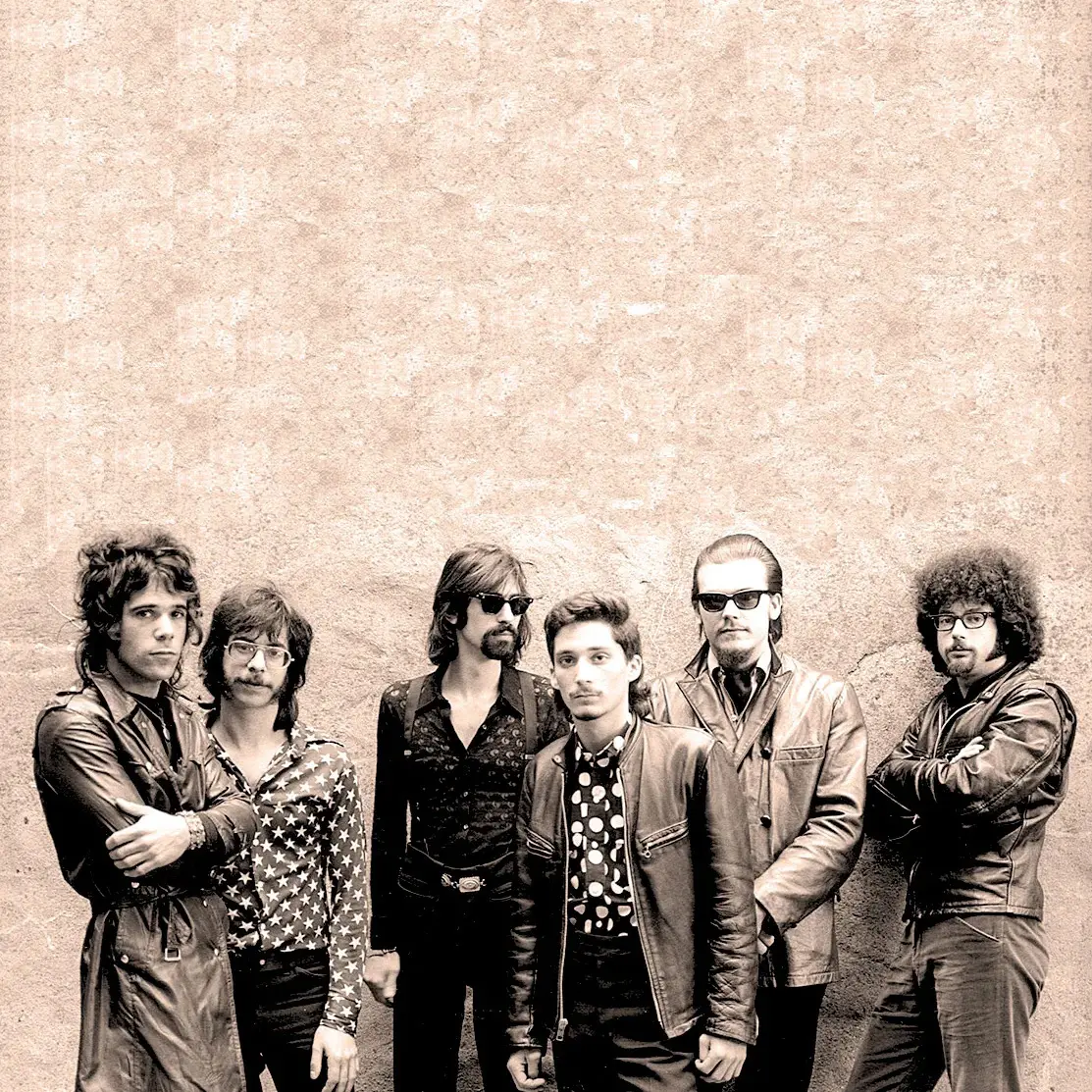
The original lineup was Wright on vocals, John McDonald on lead guitar and vocals, Ray Jacques on bass, Ed Hughes on drums and Bill Henderson on electric violin; the only player with any actual country experience was 19-year-old John Macy on pedal steel, who’d played in bands in Lubbock, Texas, and there were many personnel changes over time.
In the band’s very first year together, Kevin Lillis replaced Jacques on bass, Dave Kinsman took over on the drums and George Heath joined on guitar and banjo. McDonald and Henderson left after three years, followed by George Nelson and Larry Feldman on lead guitar and fiddle respectively. According to the late Steve Morse of The Boston Globe, the total number of musicians in The Sour Boys over the decades exceeded 100 (and included two women).
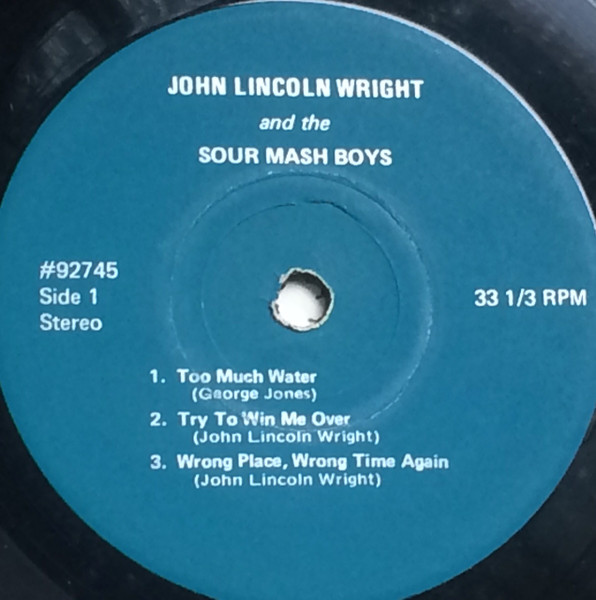
The one constant was Wright, whose authentic approach to all forms of country combined with his songwriting/performing talents and groundbreaking rock ‘n’ roll credentials made him the perfect person to popularize “country rock” among the young, hip, rock-oriented crowd. With originals such as “Try To Win Me Over” and “Wrong Place, Wrong Time Again” and a collection of rocked-up covers, he and The Sour Mash Boys introduced what’s now known as “Americana” to a generation (or two) of New Englanders.
(by Bill Henderson)